October 27, 1999 – ‘One Lord a Leaping’ and Shepherd’s Pie

  • In today’s news: The news is full of Parliament’s upcoming vote to eliminate the House of Lords. The Times article, “One Lord a Leaping,” is hilarious. I quote it almost in full here because the whole thing is so funny:

To the horror of a packed House of Lords yesterday afternoon, a bearded aristocrat resembling an Old Testament prophet leapt onto the Woolsack in their guilded chamber and began to shout. Peers had not been so startled since demonstrating feminists abseiled from the public gallery in 1988.

The shock occurred shortly after lunch. Hereditary peers had crowded in to hear the final set-piece debate on the Bill which eliminates them. They had endured a stunningly tedious half-hour of questions. Baroness Blackstone, an educationist who has never been known to say anything interesting, had lulled everyone into a torpor.

The spectacularly polite Lord Boston of Faversham, who has never been known to say anything rude, adjusted his specs and settled down on the Woolsack to moderate the great debate. Peers crowded at the Bar. Peers’ eldest sons sprawled and lolled around the throne as is their right.

And through the crowd slipped a hairy man in his early 30s; the man we now know to be the Earl of Buford, heir to the 14th Duke of St. Albans. He mounted the scarlet Woolsack, an operation not unlike jumping onto the lounge sofa. Poor Lord Boston was already on it, and quivered as the wool shook. The intruder started yelling.

The House was stupefied. Distinguished strangers were stupefied. Tourists were stupefied. The press was stupefied. The Lords’ attendants were stupefied. Nobody knew what to do so nobody did anything.

“This Bill,” the beard shouted, “drafted in Brussels, is treason!” This sounded just like a Daily Telegraph leading article. Could it be the Editor?

“What we are witnessing is the abolition of Britain!” he yelled, beard a-tremble. Around lay a sea of dropped jaws. Lord Boston, sitting next to his feet, tried to pretend nothing was happening and gazed fixedly at his notes…

“No Queen! No culture! No sovereignty!” By now, two gartered attendants, shaken from their stupefaction, were making half-hearted attempts to haul the noble bird from his perch. “Stand up for Queen and country,” he squawked, and “vote this bill down.” The Earl’s speech was over. He was ready to go quietly. The hand of an attendant, outstretched to pull him down was now taken willingly and the fellow landed courteously from the Woolsack as a lady might be helped down from her carriage.

Black Rod escourted him out. Lord Boston jumped, startled to life, as if suddenly released from a hypnotist’s trance, and began the debate.

He is descended, I learn, from the 1st Duke of St. Albans, whose mother, Nell Gwyn, had threatened his father, Charles II, with throwing the baby from the window as she had no means to raise the boy. “Throw down the Duke of St. Albans,” replied the King. Yesterday, his heir threw down the gauntlet. Somehow more fitting than throwing in the towel.

Shepherd’s Pie

I have dinner at Francis’s home, with her daughter and some of her friends. It is very enjoyable. She serves shepherd’s pie, which she reluctantly admits her friend, Graham, made. It is delicious. Graham is very funny. He keeps us laughing all night.

Shepherd’s pie was originally made with lamb (thus the shepherd’s bit). If it is made with beef, it is cottage pie. I have no idea where Chinese pie came from, which is what we call it at home. In Britain, they make it, not with creamed corn, but with onions, carrots, or whatever vegetables are around, and either a tomato paste or Worcestershire sauce, which gives it a darker color. They also put cheddar cheese on top of the potato.
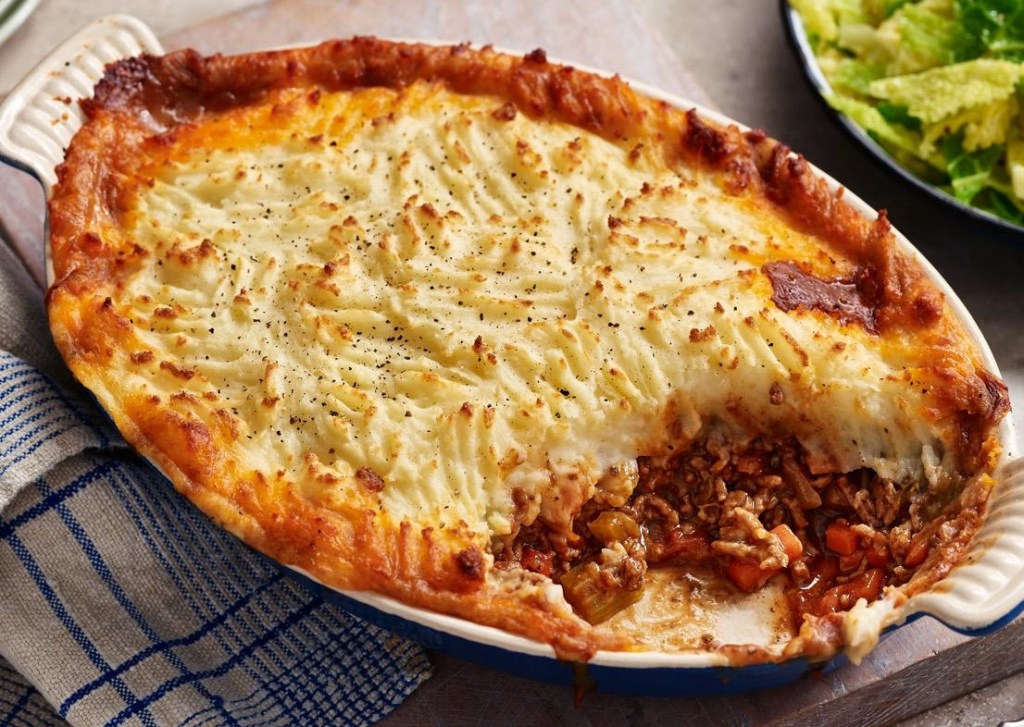
Cottage Pie
Photo and Recipe: BBC Food

Francis serves apple crumble for dessert. She asks if we have apple crumble in the U.S. I tell them, yes, but we call it apple crisp. A crumble has a flour/butter topping like shortbread rather than oatmeal and is flavored with brown sugar with no cinnamon or spices, and they serve it with hot custard sauce rather than ice cream or whipped cream.

One of Frances’s guests works for a London stage lighting company; providing set-up for plays and big events. She said they are doing the lighting for a big millennium bash being held by Rowan Atkinson (the guy who plays Black Adder in those silly British comedies Brian likes).

I am off to London tomorrow.

October 25-26, 1999 – Hemingway and the Birmingham Symphony

I am watching a wonderfully funny and interesting BBC documentary—Michael Palin’s Hemingway Adventure. A former Monty Pythoner, Michael traces the life of Hemingway, attempting to experience everything Hemingway did in his manly, exhilarating life. The series is extremely well done.

In the episode I watched last night, Michael goes to Michigan’s Upper Peninsula and hires a guide to retrace Hemingway’s hunting experiences. He has a list of supplies Hemingway purchased at a local grocery in 1908 and goes to the same store to attempt to buy the same things that Hemingway did 100 years ago. As they work their way down the list, the poor clerk keeps saying, “No, we don’t have that,” until Michael comes to worms. “Oh, yes,” she says excitedly, “We have nightcrawlers.” “Nightcrawlers? What are those?” Michael asks in his proper British accent. “They’re big, fat worms,” she replies nonchalantly. When he asks for canned meat, the woman says, “We have spam.” It’s too good of an opening and Michael sings the Monty Python spam song.

Michael Palin’s Hemingway Adventure
Photo: BBC

Michael goes on to drive an ambulance in Milan, which Hemingway did during WWII; to run with the bulls in Pamplona, Spain, the subject of Hemingway’s novel, The Sun Also Rises; to visit the cafés in Paris where Hemingway wrote in the 1920s; and then marlin fishing in Havana. I love this show.
It is a full table at breakfast on Monday morning—all the rooms were full last night. One of the new B&B guests, Hannah, a young woman from Germany, is studying English linguistics. Later, Caroline tells me that Hannah stiffed them. After booking for a week, she left after one night to stay with new friends.

I begin making my plans for Scotland in November. The fellows will gather in Edinburgh for a reporting seminar. Because we are the first ones to go home, Jonathan and I will present our project findings to the rest of the fellows then. I map out a trip to Inverness for when I am there.

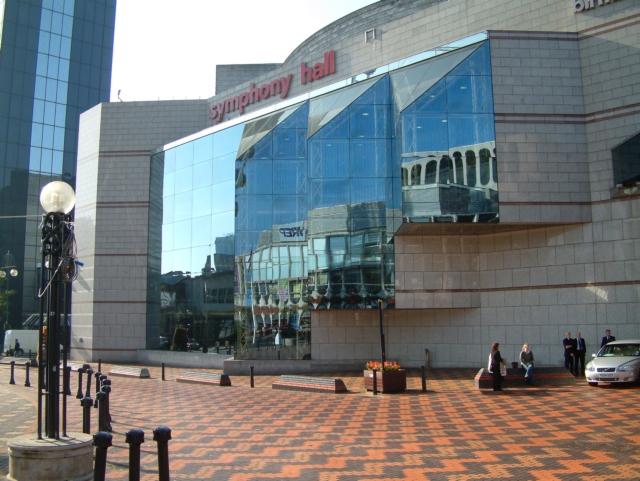
Tuesday evening I attend the symphony with Jane and Richard. After work, Jane and I have a glass of wine at her house before grabbing a taxi to the convention hall where we meet Richard just a few minutes before the concert begins. Richard works for a local television station and has press seats, which he gives to Jane and me. We have great seats while he is relegated to the balcony.

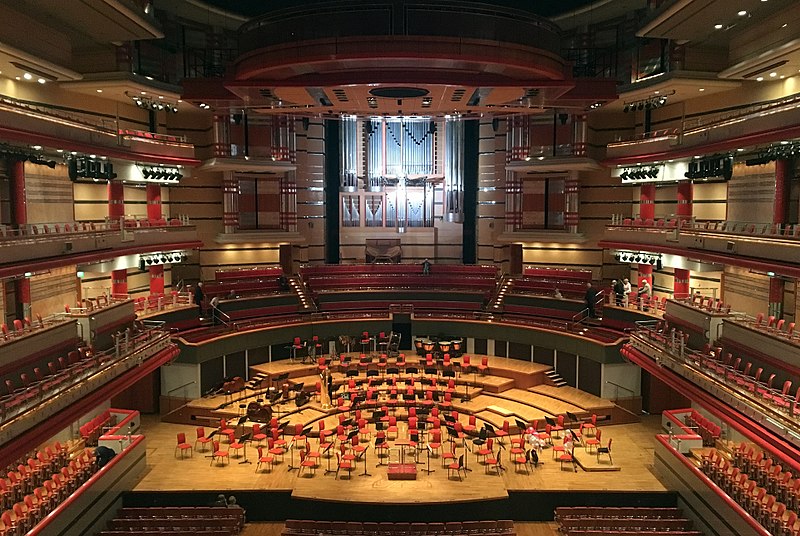
The Birmingham Symphony Orchestra is one of the finest orchestras in the world, according to their brochure. The new, modern auditorium is renowned too; other symphonies come here to record because the acoustics are so good.

Birmingham’s Symphony Hall
Photo: Wikimedia Commons

Tonight’s conductor, Estonian-born, Paavo Jarvi, is “one of the most sought after conductors of his generation.” In addition, our concert premieres a new work by a young composer also from Estonia; it is the first time the piece has ever been performed. The program is:

Paavo Järvi – conductor

Erkki-sven Tüür: New Work: Exoodus

Mahler: Symphony No. 6 A Minor

I find the first piece a bit bizarre; very modern. It lasts only about 15 minutes. Then, there is an intermission. Then the Mahler piece goes on for an hour and a half. I wish I knew more about classical music so I could appreciate the performance more. It is enjoyable, but somewhat above me.

Birmingham Symphony Hall
Photo: Wikimedia Commons

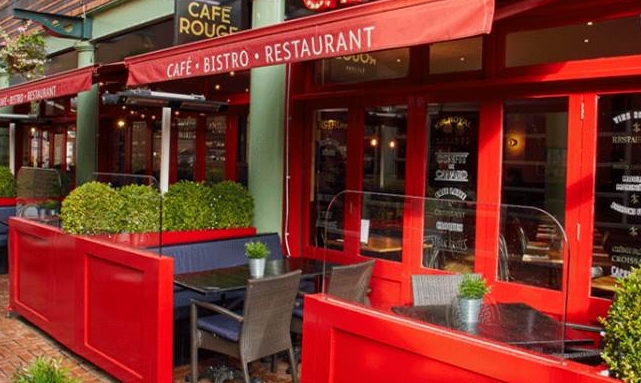
After the concert, we walk over to La Rouge Café in Brindley Place for supper. Richard talks about his time in Lewiston and at Bates College. He tells me he worked at West Breeze Orchards in Auburn in the fall to earn extra money!

La Cafe Rouge, Brindley Place, Birmingham

I have a funny email from Brian. He said he and Aunt Kay were amazed by all my stories about England and they decided they were going to make their boring lives more exciting by making things up. He goes on to say that he met Joan Collins at a cocktail party last week, but she was drunk and made a ruckus, so he sneaked out the back door before the police came and arrested everyone. It makes laugh out loud. How does he think of this stuff?

October 24, 1999 – Oxford and Magdalen College

I am going back to Oxford today to see the town. Oddly, I have been to Oxford twice in the last week, but haven’t seen any of it!

Looking at the train’s departure board, I notice that two stops beyond Oxford is Basingstoke. One of Brian’s favorite Gilbert and Sullivan scenes features the Baronet of Ruddigore who uses the word Basingstoke as a code word to calm Mad Margaret when she gets overly excited.

Ruddigore. Margaret―pray recollect yourself. Basingstoke, Basingstoke, I beg!

Margaret. (recovering herself) Basingstoke it is!

Ruddigore. Then make it so.

I arrive in Oxford just after 11:00 AM. In the parking lot of the train station, there is a sea of bicycles. It is the preferred mode of transportation in Oxford and, as I make my way through the busy, narrow streets, I can see their advantage.

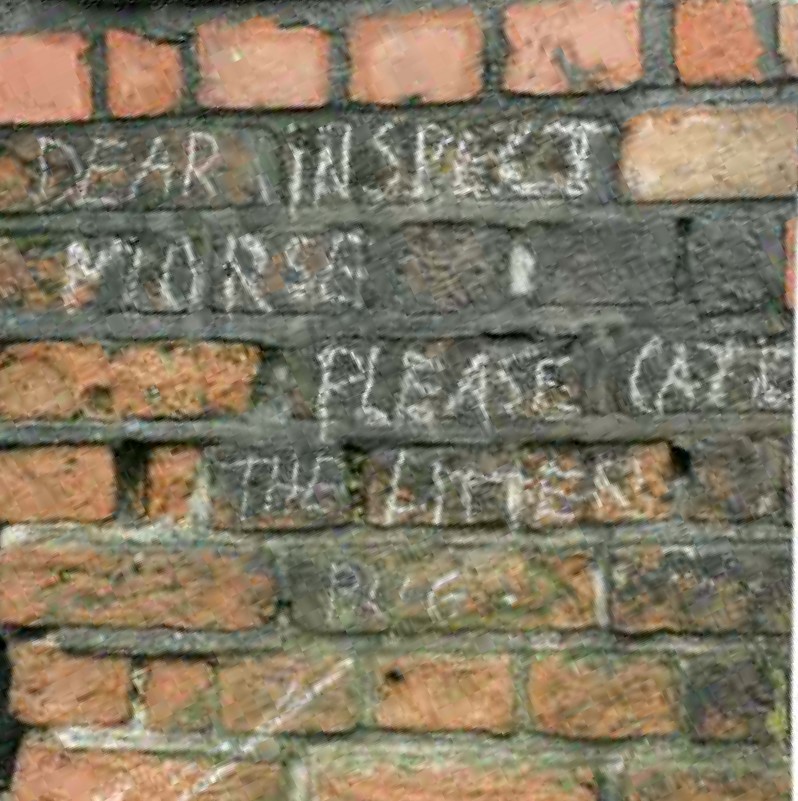
Heading towards the tourist information office, I cross one of Oxford’s many canals. On the brickstone bridge spanning the canal, there is a hand-scratched note in chalk that says, “Dear Inspector Morse, please catch the litter bug.” Someone has drawn an arrow pointing to some insolently discarded McDonald’s wrappers. I love this and immediately snap a picture. Oxford is the setting for Colin Dexter’s mystery series about an opera-loving, police detective, named Morse.

Chalked message to Inspector Morse

The first stop on the hop on/hop off bus tour is “The Oxford Story,” a museum ride through Oxford’s tumultuous history. Burned by Vikings―twice—the city has withstood fires, plagues, and riots. The most notorious deed was by Queen Mary who burned two of Oxford’s bishops and an archbishop at the stake for their Protestant teachings.

There are 39 colleges in Oxford, all independent. One guy asks our tour guide, “Can you explain the college system, I can’t figure it out.” The tour guide shakes his head sadly and replies, “Nobody can.”

Oxford’s colleges are intertwined among the shops, pubs, and churches. Each college looks rather nondescript from the outside; plain, multi-story, stone buildings. Some have cupolas or are decorated with gargoyles. However, enter the massive wooden doors and each one opens up into beautiful grassy quadrangles surrounded by lovely cloisters, ancient academic buildings, and student housing. There is a whole college behind each door.

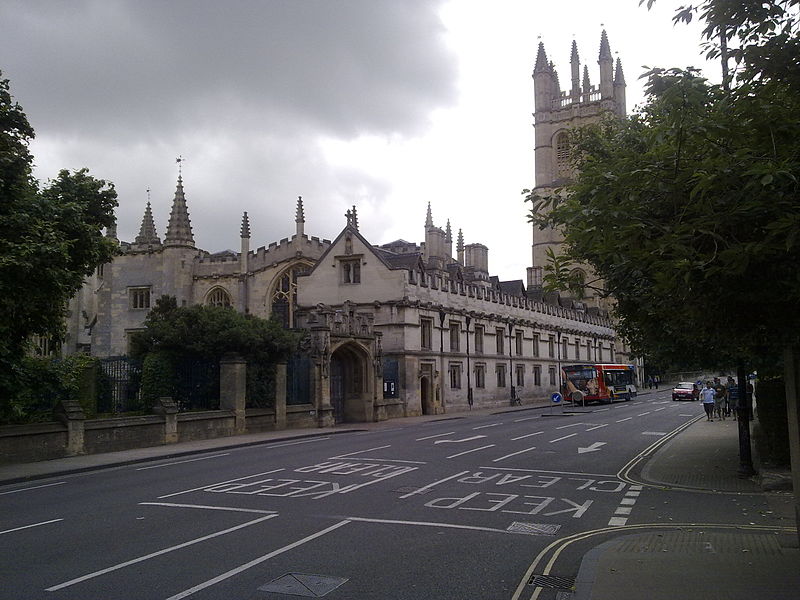
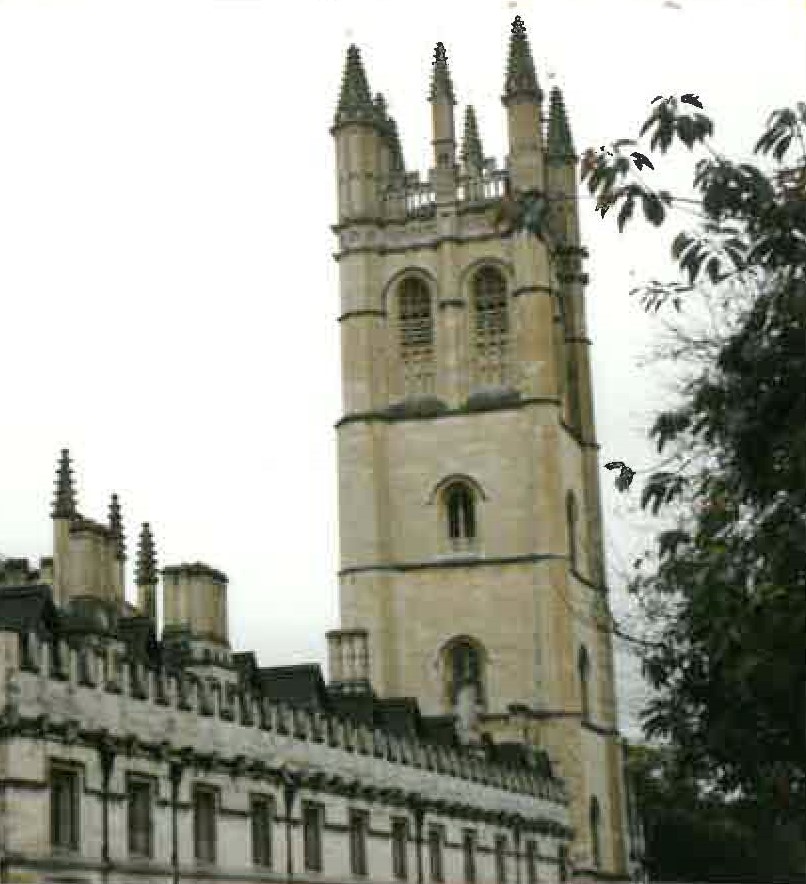
Each college has its own history and its own personality. I explore Magdalen College (pronounced “Maudlin”) that dominates the east end of the High Street. The medieval tower, chapel, cloisters, and grounds are magnificent. Deer graze on the grassy river bank. While the college dons once ate the venison, they found they could make more money by selling it, and you can now purchase Magdalen College Oxford venison as a delicacy at Harrods Food Hall.

Magdalen College, Oxford
Photo: Wikimedia Commons

Apparently Magdalen’ soaring 1505 bell tower, 144 feet high, is one of the most celebrated views of Oxford. Writing to amuse wounded soldiers recovering in the local hospital, an Oxford professor described Magdalen:

Cross the street from the Hospital door and go a few yards eastward and you will see the grand curve of the High Street, from Magdalen on the east to All Souls on the west. Lord Macaulay, in his History of England, picked out the High Street of Oxford and the Close at Salisbury as the two places in Britain through which no Briton would like to see foreign soldiers marching; which was, I suppose, another way of saying that they were the two most beautiful things in Britain. It is all historic ground. That tall tower to the east, with its graceful pinnacles, was called by King James I (no bad judge of buildings) the ‘most absolute building in Oxford’: the wall below it was the wall against which his foolish grandson, James II, ran his head, when in 1687 he tried to turn out the Magdalen Dons because they wouldn’t elect a royal favourite to be President of the College; he ended by turning himself out of his kingdom.

C.R.L. Fletcher, A Handy Guide to Oxford, 1915
Magdalen College Tower

Many famous people studied at Oxford. Bill Clinton went to University College and Tony Blair studied law at St. John’s College. When Margaret Thatcher studied chemistry at Somerville College, her tutor told her she was talented enough to be a good, assistant chemist. Rowan Atkinson went to Queen’s College; C.S. Lewis, Oscar Wilde, and the Prince of Wales, later King Edward VIII, Magdalen. Oh, yes, and P. G. Wodehouse gives his fictional character, Bertie Wooster, a degree from Magdalen.

A brilliant mathematician, C.S. Lewis spent most of his professional life at Oxford. It was here that he met 9-year-old, Alice Liddell, the daughter of the school’s president, who was his inspiration for Alice in Wonderland. Queen Victoria is said to have enjoyed reading Alice in Wonderland so much, she asked Lewis to send her a copy of his very next book. He was happy to oblige sending her a copy of a theoretical tome on mathematics. I think she was probably not amused.

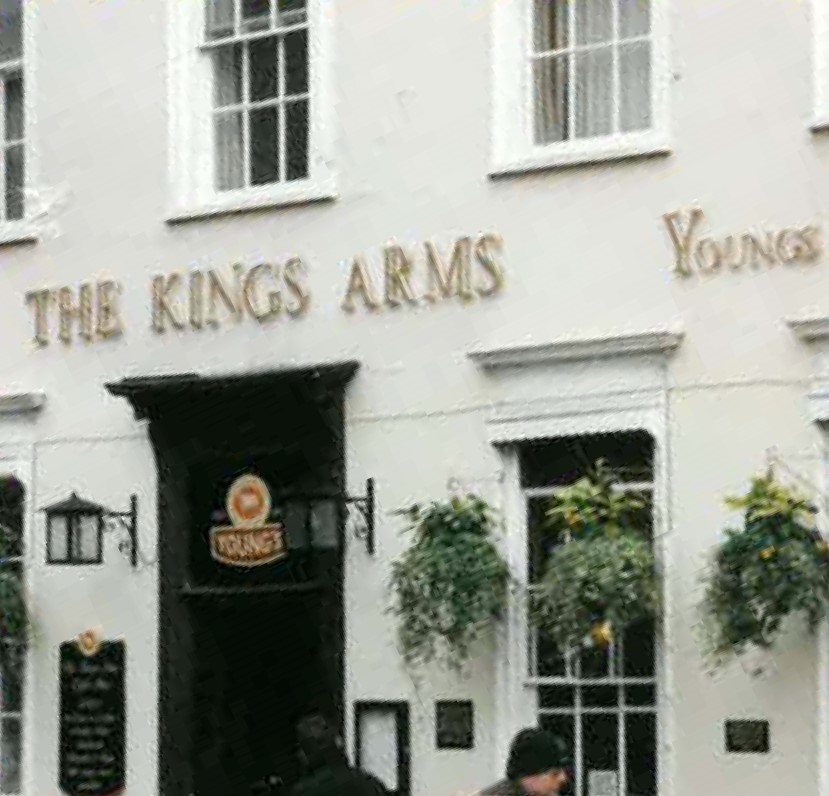
I have the Sunday Roast at the Kings Arms, a favorite pub with the students where I meet a traveling Canadian couple who are on a 4-week tour. They suggest a number of Cotswold villages that I should visit: Bourton-on-Water, Broadway, Castle Combe, Pianswick, Banbury, and the Slaughters.

Kings Arms Pub, Oxford

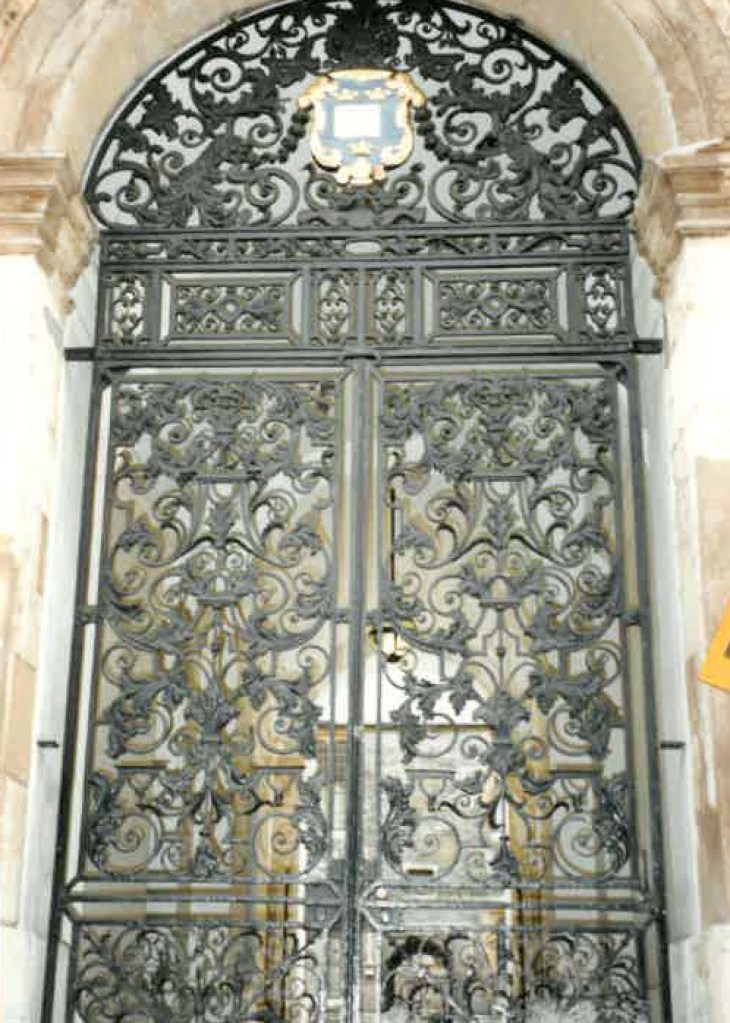
The Bodleian Library, the oldest library in Europe, is beautiful; the circular, domed science library building next to it, known as the Radcliff Camera, is one of the most recognized buildings at the college.

Radcliff Camera
Photo: Wikimedia Commons
Radcliff Camera door

Oxford’s Sheldonian Theater, designed by Christopher Wren, is where Oxford graduates receive their degrees. It is best known for the 13 carved stone Emperor Heads that surround it. According to one article: “Wren’s original heads famously had wide-eyed and shocked expressions. This was to portray his disgust at the limited and insufficient budget he was given to design the theatre.”

Emperor’s Head, Sheldonian Theater, Oxford
Photo: Wikimedia Commons
Bridge of Sighs and Sheldonian Theater
Photo: Wikimedia Commons

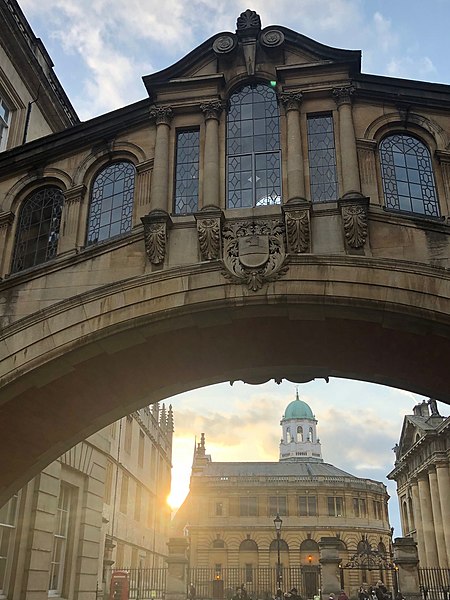
A lovely little skywalk is another Oxford landmark. Some call it the Bridge of Sighs after a similar bridge in Venice.

It begins to rain so I stay on the bus tour for while just listening to the guide who tells us the story of Queen Victoria’s son, Prince Leopold, who went to Oxford. While he was there, he fell in love with a commoner. The Queen was definitely not amused and put a stop to the romance. It turns out that the woman he fell in love with was Alice Liddell. Our tour guide says, “Alice inspired C.S. Lewis at 9 years old and she inspired Prince Leopold at 19.” But it seems theirs was a genuine love story; the Prince named his first child Alice, and Alice named hers, Leopold.

I am charmed by Oxford and would love to spend more time here.

The train home is unbelievably crowded. There are no seats and I stand all the way to Birmingham New Street (over an hour). At least it was the fast train with no stops.

At Tesco’s, I find something even more decadent than shortbread—shortbread layered with caramel and chocolate. It just melts in your mouth.

October 23, 1999 – The Sublime Pre-Raphaelites

Mary Metcalfe is coming today. I am meeting her at New Street station. Mary lives in Sheffield, about 100 miles north of Birmingham. A friend of my aunt, I met her two years ago when she was visiting in Pemaquid. She is retired; the former head of a London girl’s school and was once invited to one of the Queen’s garden parties at Buckingham Palace in recognition of her distinction in the field of education.

Mary is already there by the time I arrive and gives me a warm welcome. She says she’s never spent any time in Birmingham and would like to walk around and see the city. It is very sweet of her to come down.

She is so interesting to talk to and has some thoroughly modern views.

Mary loved Princess Diana and will never forgive the Royal Family for how they treated her. She says everyone was furious with the Queen for staying in Balmoral after Diana was killed. “Tony Blair finally had to say something to the Queen” she says, even writing the Queen’s remarks for her televised broadcast. In Mary’s opinion, the Royal Family did three unforgivable things: 1) not mentioning Diana’s name at Balmoral Sunday church services following her death; 2) not leaving Balmoral to come to London to be visible to those in mourning; and 3) not flying the flag at Buckingham Palace at half-staff.

I am surprised by her view on the flag. I thought she would appreciate the 100-year-old tradition that no flag is hoisted unless the Queen is in residence. But I agree; the Palace got it horribly wrong sticking to tradition in this case. People were grieving and the Queen was hidden away. The Mirror headline at the time cried out, “Your People Are Suffering. Speak to Us Ma’am.” She badly misjudged people’s moods and their need for her reassurance; just as she would do for victims of a train crash or a bombing.

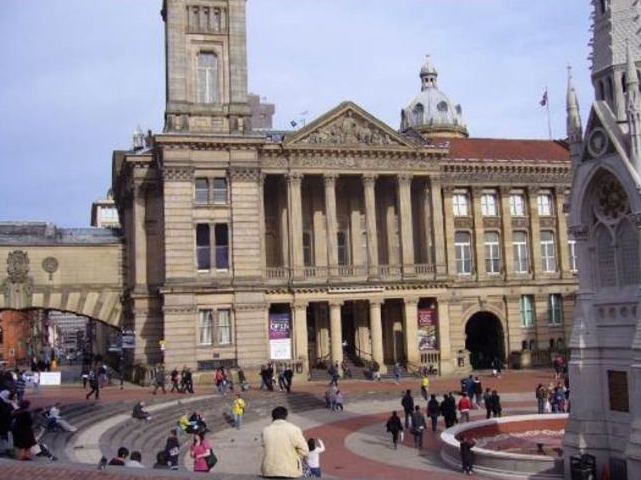
After a café latte in the Palisades Mall above the train station, we head out walking towards Victoria Square. Mary wants to take some pictures only her camera isn’t working. So, what does she do? She marches right into Boots and asks them to look at it. They sell her a new battery and it seems to work fine after that.

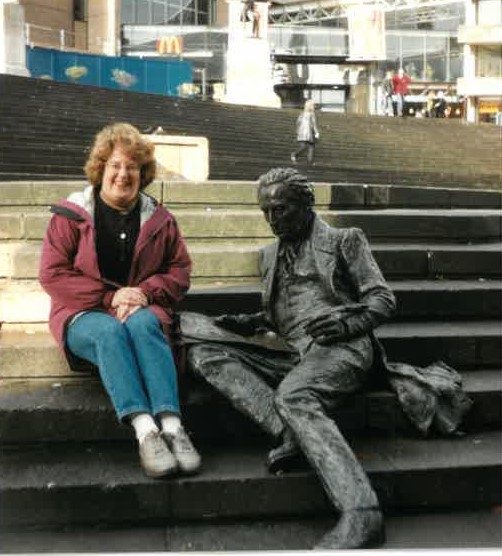
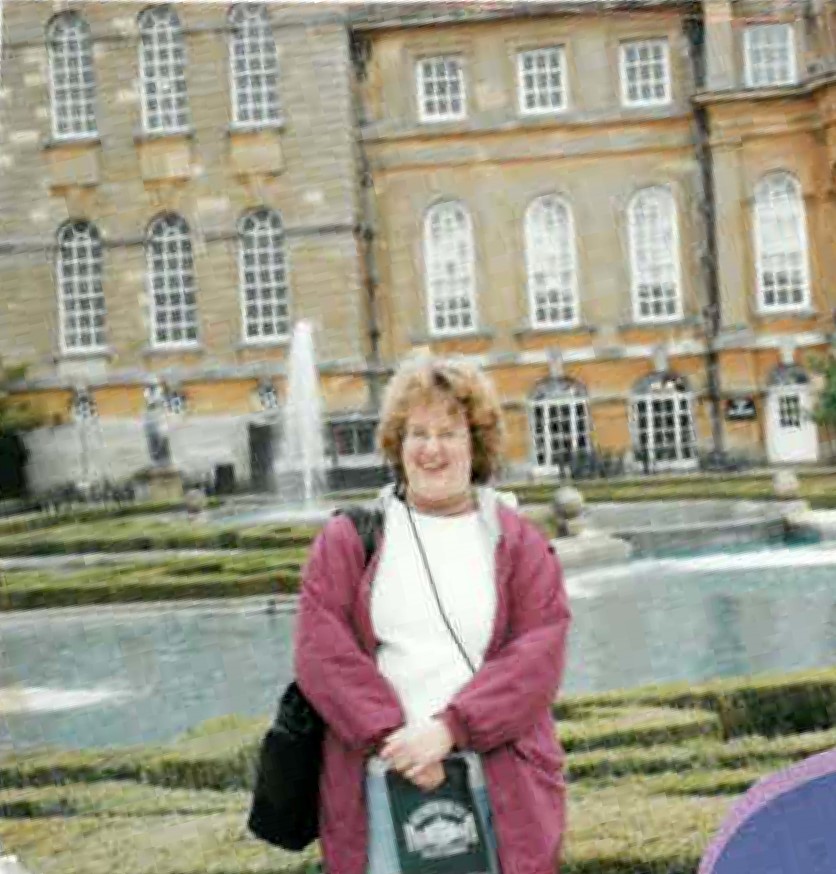
Mary takes pictures of me in front of the fountains in Victoria and Chamberlain squares. There is a captivating bronze statue of the 19th century reformist MP, Thomas Atwood, reclining on the steps leading up to the Chamberlain monument. He appears to have just stepped down from his soapbox surrounded by pages of the bill he is reading—also bronze—that have been blown and scattered by the wind.

MP Thomas Atwood and friend

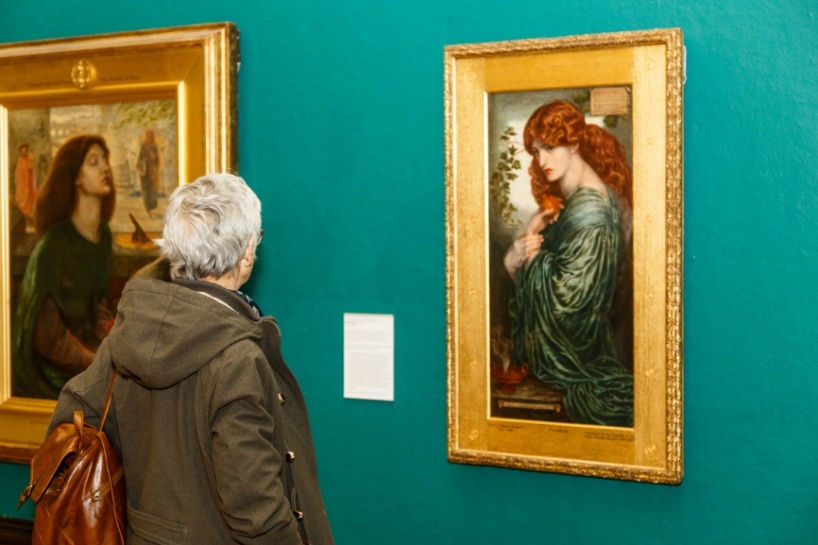
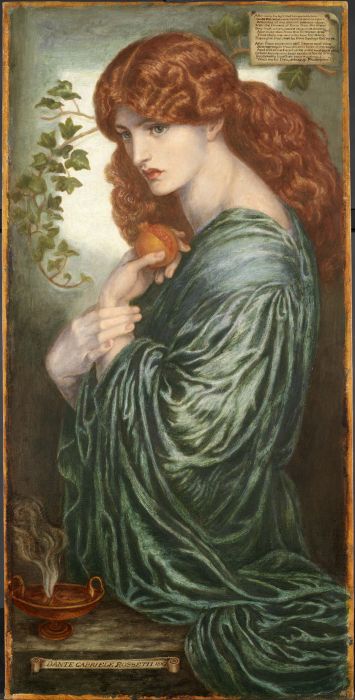
I want to see the Pre-Raphaelite paintings in the Birmingham art museum and Mary is game. I am immediately entranced by their intense colors and captivating scenes. They mostly portray famous literary characters or legends; nearly all of them of striking women. The sorrowful drowning death of Shakespeare’s Ophelia is the most famous, but there are portraits too of the mad Lady of Shallot, the bewitching Helen of Troy, and even a nude Lady Godiva riding her horse through the village of Coventry (which appropriately hangs in a museum there). There are hundreds of Pre-Raphaelite paintings scattered all over the world, many at the Tate in London, but also one at the Isabella Stewart Gardner museum in Boston; Lord Andrew Lloyd Webber owns three. But Birmingham has an amazing collection.

Daniel Gabriel Rossetti, John Everett Millais, and William Holman Hunt founded the Pre-Raphaelite movement in 1848 with what they called a “brotherhood” of new-age painters. Disenchanted with artists’ perspectives at that time, they wanted to go back to nature; to a time when paintings were more realistic than idealistic―a time before the Renaissance, or before the artist Raphael.

Realistic they are too—Millais’s model for Ophelia almost died of pneumonia from spending hours in cold bath water in the dead of winter modeling for the painting. Rossetti painted dozens of portraits using his muse, Jane Morris, wife of fellow artist, William Morris, as his model. They were lovers as well.

In his beguiling painting, Proserpine, Rossetti portrays Jane as the goddess of the underworld who Pluto imprisoned in Hades for tasting the forbidden pomegranate. In legend, Pluto allowed Proserpine to return to earth each summer. The sub-text to Rossetti’s painting alludes to their own lives; just as Jane lived with her husband in winter, she returned to Rossetti in the summer months each year.

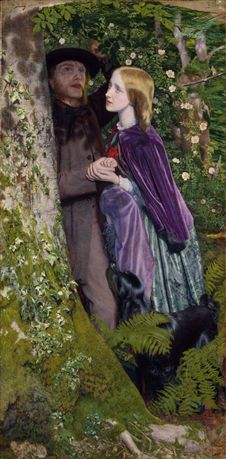
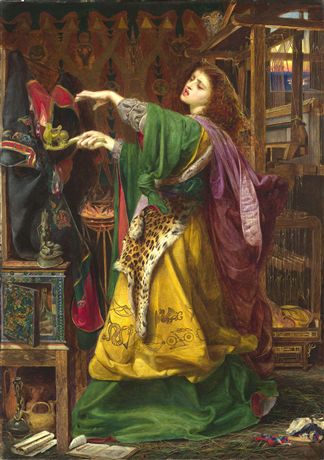
In addition to Proserpine, Birmingham’s Pre-Raphaelite paintings include Arthurian legends, Shakespearean scenes, and biblical compositions.

The Long Engagement by Arthur Hughes, 1859
Photo: Birmingham Museum and Art Gallery Pre-Raphaelite On-line Resource
A scene from Chaucer of a lowly cleric, too poor to marry. The length of their courtship is shown by the ivy having grown over her name, Amy, carved into the tree.
Arthurian Sorceress Morgan-le-Fay by Frederick Sandys, 1863
Photo: Birmingham Museum and Art Gallery Pre-Raphaelite On-line Resource

At the museum’s Edwardian tearoom where we eat lunch, I order shepherd’s pie and Mary has the chicken hot pot. The waitress brings out our lunch and says, “We were out of shepherd’s pie, so I brought two chicken hot pots. I hope that is OK.” This is fairly typical of the service in England and by now I am getting used to it. I smile and nod and the hot pot is very tasty.

After lunch, we walk to Brindley Place and take a canal boat ride. Mary is full of information about the history of the canals and the people who lived here. Then we make our way back stopping for tea at Rackhams; a huge, Porteous-type department store. I say a fond farewell to Mary and leave her at the train station.

When I get home, Tony and Caroline greet me at the door. Tony shows me their wedding picture. They look so young. Caroline looks like Marlo Thomas in the 1960s sitcom, That Girl, with straight shoulder-length hair that flips up at the ends. Tony tells me how Caroline, as a young woman, sang in musicals and cabaret shows and was lead lad in the Jack and Beanstalk pantomime. He says cheekily, “She still has her black fishnet tights.” Caroline responds even more cheekily, “Tony makes me wear them sometimes.” They are like a comedy duo these two.

  • In today’s news: The Times reports that two RAF pilots were killed on a training mission when their plane went down on the outskirts of a village in the Lake District. Debris blocked the West Coast railway line.

October 22, 1999 – Ostentatious Blenheim Palace

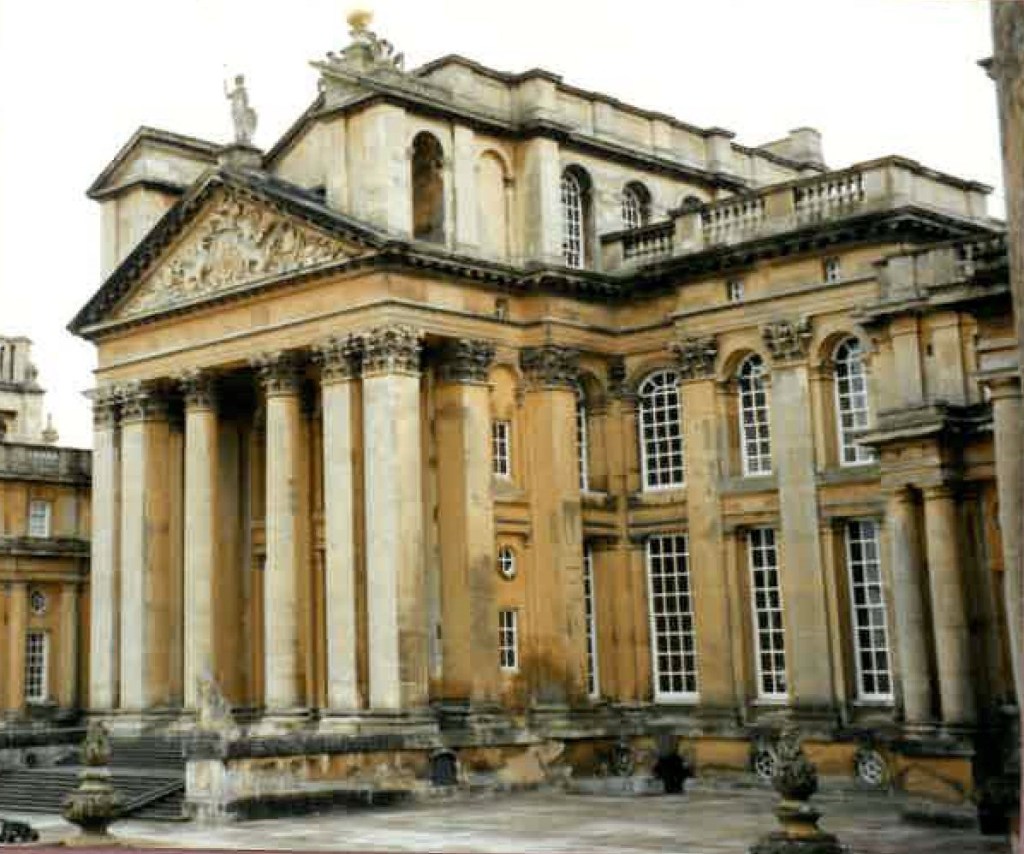
I’m off early this morning to Oxford to see Blenheim Palace (pronounced Blen-im, with clipped syllables). From the train station in Oxford, I take a bus that puts me down at the top of the entrance road to the stately house. It is about three-quarters of a mile walk in and sheep peacefully munch grass in the fields along the way.

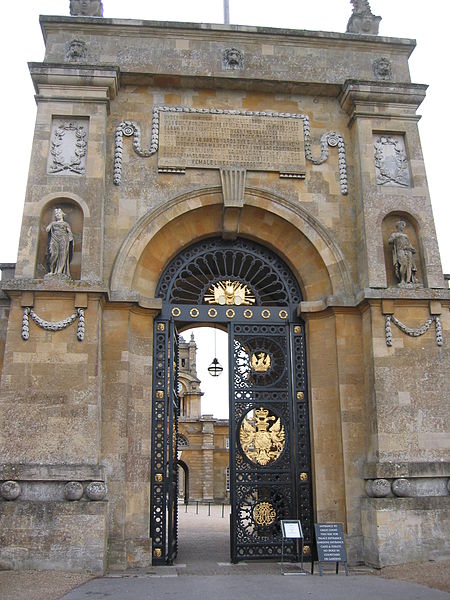
There is no good view of the house from the drive. My first glimpse of grandeur is the palace clock tower, which looms in front of me as I peer through the large stone archway with black iron gates that provide access to the palace.

Entrance to Blenheim Palace
Photo: Wikimedia Commons

Queen Anne paid to build the house for John, 1st Duke of Marlborough, to honor him for his 1704 victory over France’s Louis XIV at the Battle of Blenheim―the thanks of a grateful nation. But after Sarah, the Duchess, clashed with her, the Queen withdrew her support. Following Queen Anne’s death, the Duke and Duchess made it both their lives’ ambitions to complete the palace albeit at their own expense.

Under the auspices of a munificent sovereign this house was built for John Duke of Marlborough, and his Duchess Sarah, by Sir J Vanbrugh between the years 1705 and 1722, and the Royal Manor of Woodstock, together with a grant of £240,000 towards the building of Blenheim, was given by Her Majesty Queen Anne and confirmed by act of Parliament…to the said John Duke of Marlborough and to all his issue male and female lineally descending.

Plaque above the East gate of Blenheim Palace
Blenheim Palace

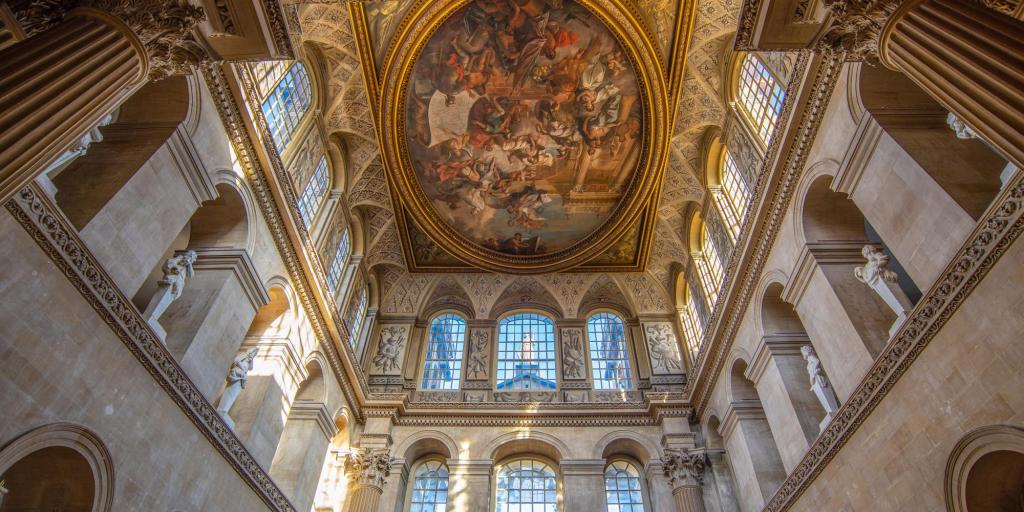
The palace has a bewildering array of 187 rooms that covers an astonishing seven-acre footprint. Its great hall, at 67-feet, is as high as the Great Sphinx of Egypt is tall, with an opulent domed ceiling and two stories of marble pillars that is said to have made even King George III gasp, saying to Queen Charlotte, “We have nothing to equal this.”

Great Hall, Blenheim Palace
Photo: Blenheim Palace Website

According to my guidebook, “Blenheim is the only non-royal, non-ecclesiastic dwelling in England to be called a ‘palace.’”

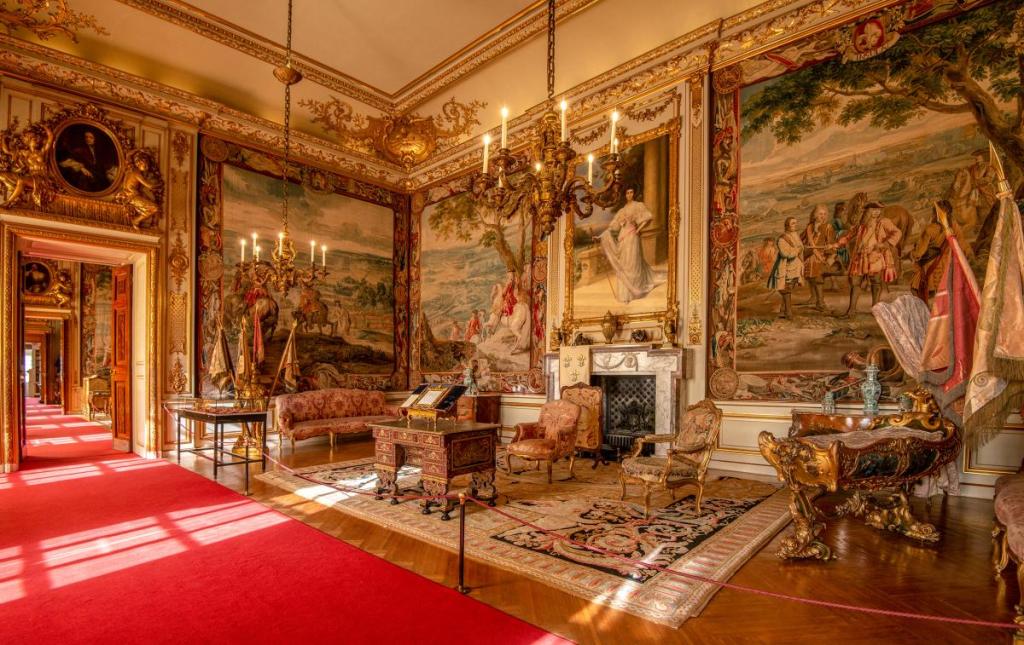
The whole house is an extravagant monument to the 1st Duke’s triumphant battle. Paintings and tapestries depict the war hero on the battlefields, consulting his engineers, or charging on his horse. Our guide goes on at length about the 10 Blenheim tapestries, which at 15 feet tall, chronicle the Duke’s sweeping victory at Blenheim in Austria. On the ceiling of the grand entrance hall is a mural depicting Marlborough kneeling to Britannia offering her a map of the Battle of Blenheim. It takes someone with a big ego to approve designs such as these; representing the Duke as savior of Britain and arbiter of world peace. (I learn later reading its history that it was Sarah who, after the Duke’s death, commissioned many of the egocentric portraits and murals.)

It is over the top.

First State Room, Blenheim Palace
Photo: Blenheim Palace Website

Our tour guide—spinsterish in a wool skirt and sensible shoes and brown, mousy hair tied up in a bun—leads us through the palace. She speaks reverentially several times about “His Grace,” referring to the current Duke of Marlborough.

Over its 300-year history, Blenheim had its fill of colorful personalities including:

  • Sarah Churchill (1660-1774) who was an intimate companion to Queen Anne, but who overstepped her bounds and was ultimately dismissed from Court.
  • Jenny Churchill (1854-1921), Winston Churchill’s mother, who had many lovers and three husbands; her last husband was three years younger than Winston.
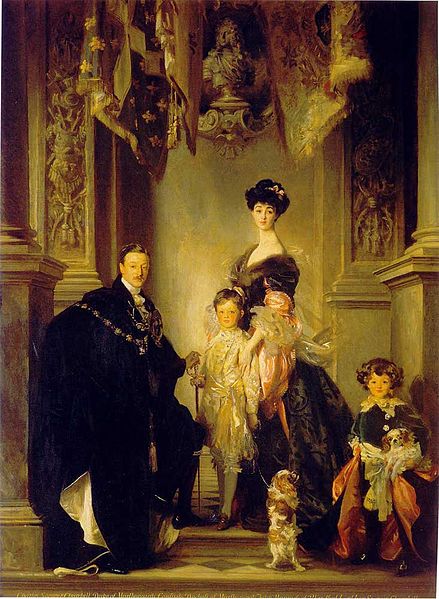
  • The wealthy American, Consuelo Vanderbilt (1877–1964), who was coerced into marriage, stood six feet tall and dwarfed her aristocratic husband, the 9th Duke.

In the red drawing room, there is a charming family painting by John Singer Sargent with Consuelo, the 9th Duke, their two young, curly-topped sons, and their pet King Charles spaniels. Sargent painted Consuelo in a black dress with wide sleeves lined with rose satin. Our guide points to another portrait, a Van Dyke painting of Lady Anna Kirk that is hanging in the same room on the north wall, painted in the 16th century. Lady Anna is wearing an identical dress to Consuelo Vanderbilt; Sargent copied it nearly 200 years later.

Duke and Duchess of Marlborough by John Singer Sargent
Photo: Wikimedia Commons

The tour concludes in the remarkably long library where at one end stands a large-as-life marble statue of Queen Anne. Sarah Churchill, re-writing history a bit, commissioned the statue to memorialize her everlasting friendship with the Queen.

At the other end of the room is a grand pipe organ; the largest pipe organ in private ownership in Europe. The room contains the coronation robes worn by the current Duke and Duchess at the Queen’s 1953 coronation. As peers of the realm, they would have had a role in the ceremony. There are several black and white framed photographs of the Duke with Princess Diana. Through a complicated genealogy and a special act of Parliament to allow the Marlborough title to pass through the female line, two of the earlier Marlborough duchesses were Spencers and forebears of Diana’s.

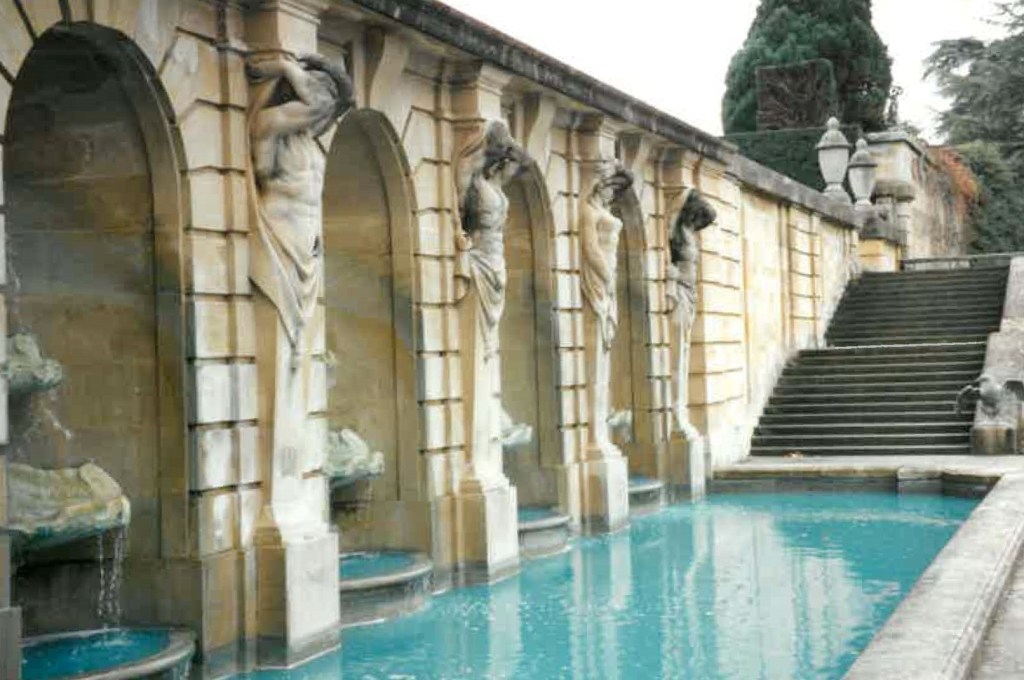
Then we are free to roam the park and gardens on our own. The vast Capability Brown-landscaped Italianate gardens are unbelievably ornate. There are many lovely spouting fountains surrounded by neat, low box hedges, all fringed with marble cupids, winged goddesses, and mythical creatures. I love the fountains and manicured hedges and can only speculate that they must rival the grandeur of the famous gardens of Versailles, which I have never seen.

Blenheim Palace Gardens

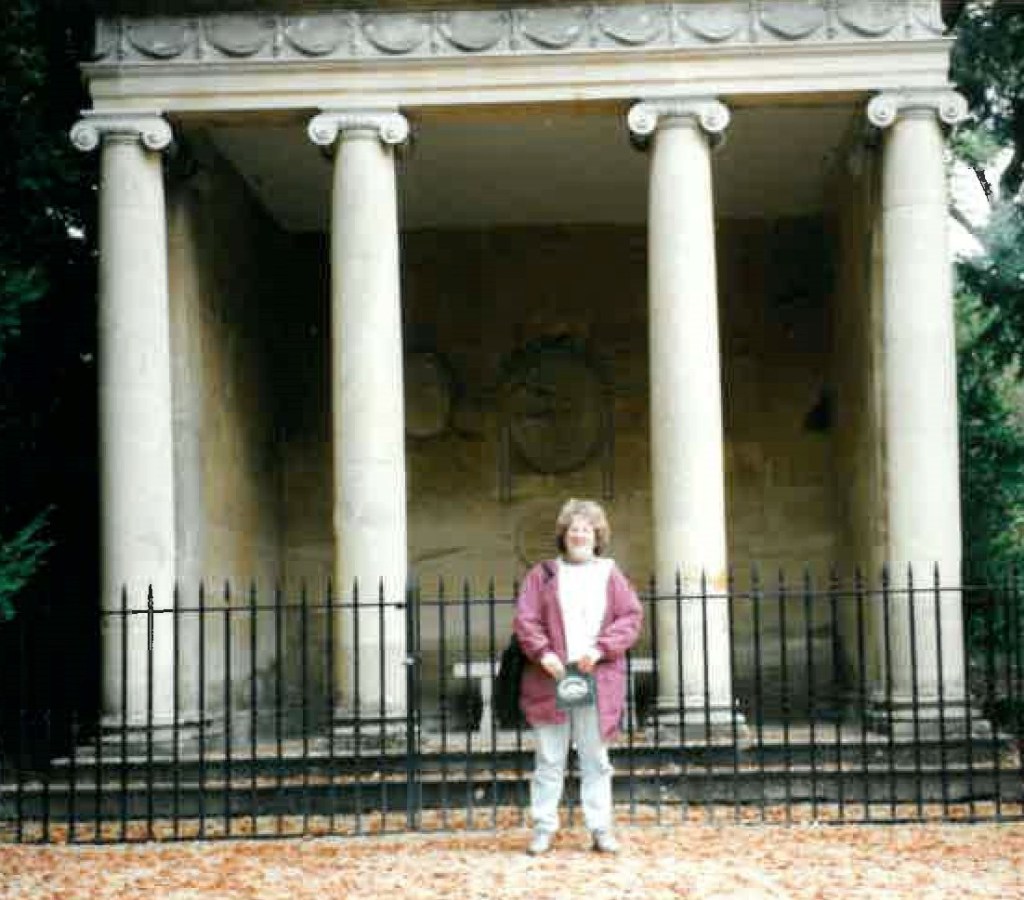
A short walk from the garden is a summerhouse, constructed in the style of a Greek temple; a small, stone, decorative building with Doric columns fittingly called the Temple of Diana. This is where Winston Churchill proposed to his wife, Clementine, in 1908. He is quoted as having said: “At Blenheim I took two very important decisions; to be born and to marry. I am content with the decision I took on both occasions.”

Blenheim Palace Summerhouse

Winston Churchill was born at Blenheim. Churchill’s father, Lord Randolph, was the youngest son of the 9th Duke of Marlborough and not in line to inherit the princely estate. Although not titled, Churchill still spent a lot of time here as a boy and young man.

I take a small, “Fun-town” train to the Marlborough Maze, reputedly the second largest yew maze in the world. I get lost searching for the maze’s center. Disconcertedly, I eventually find my way in, where I climb an elevated platform and look down over the maze trying to memorize the path for the way out. I am thinking about the maze song in Andrew Lloyd Webber’s By Jeeves. I can’t remember the tune or the words. Brian would know them all.

In the distance of the 2,100-acre estate is the huge Column of Victory (looking a lot like Nelson’s column at Trafalgar Square) that Sarah erected to honor her husband.

I am happy to have seen Blenheim; it was on my list of “must-do’s.” But I can’t help thinking that the immense wealth concentrated into the hands of one family is senseless. Blenheim is so ostentatious; it is almost garish. It’s a display of conspicuous consumption in much the way that the 19th-century robber barons built Newport’s gilded mansions to legitimize their upper-class status to themselves and to other classes.

I don’t know why I don’t think this way about the Royal Family. Maybe because they give their lives in service to the country and the palaces don’t actually belong to them. It doesn’t seem like the other noble families, like the Marlboroughs, have a public role. At the same time, I love the historic and artistic significance of these houses and would hate to see them dismantled. Perhaps I have to think of the families that own them as caretakers of the nation’s cultural heritage…just really well-paid caretakers.

Back in Oxford, the station is crowded. A long series of announcements about delays and cancelled trains is confusing. I hear the conductor say that there has been a crash of a military airplane north of Lancaster, which is affecting routes north.

  • A word about crisps: This morning on the train, a woman was eating potato chips (crisps) for breakfast. I am convinced that crisps are the new English national food, replacing scones, fish and chips, and roast beef and Yorkshire pudding. Everyone eats them at all hours of the day. And they come in the most tantalizing flavors: roast chicken, roast beef, Worcestershire sauce, and my absolute favorite, prawn cocktail.

October 21, 1999 – In Which I Make My Student Seminar Presentation

I spend the morning working on my presentation overheads for this afternoon’s seminar. It’s title―Performance Budgeting: Taking Best Value to its Logical Conclusion?―is sure to raise a few eyebrows. For my first slide, “Where in the World is Maine?” I have a map of the U.S. with a big arrow pointing at Maine. I also have a picture of a moose and one of the Eastport sunrise, along with which I read part of Governor King’s memorable inaugural address:

A little less than a year from now, at the end of a cold New England night, the sun’s first rays will strike Eastport, Cadillac Mountain, and Mars Hill and a new millennium will come to Maine, and America.

The sun’s warmth will spread east to west, from coastal Washington County to Portland, to the frozen fields of Aroostook, across the forests and mill towns of our central plateau, to the mountains, and on to the border with New Hampshire and Quebec.

But for a few minutes, at least, the decade, the century, the millennium itself, will belong to Maine…As the millennium sun sweeps across Maine.

Maine Governor Angus King, Inaugural Address, January 7, 1999

Unbeknownst to me at the time, Mike Smith thinks Maine sounds so lovely that he vows to visit it. The following summer, he and his wife come to Maine and I pick them up at the Portland airport and take them to a B&B in downtown Portland that I found for them and we have dinner at DiMillo’s. They rent a car and travel down the coast ending up in Castine, where they say, chagrined, the historic signs and monuments don’t have very nice things to say about the British! They are also perplexed by signs for Maine’s naturist spots. Apparently in England, a naturist is a nudist, not a lover of nature! We continue to exchange Christmas cards for a number of years, until one holiday, his wife writes and tells me, sadly, they divorced. After that we lose touch.

I stay in contact for a while too with Olha Lukashenko, a Ukrainian student who attends my seminar and comes to the pub with us afterwards. Olha is a bit older than the other students and has a government job of some kind in the Ukraine. Her Russian accent is thick and she leaves out the articles in her speech, making her sound like Natasha in the Rocky and Bullwinkle cartoon. She is smart and realistic about Ukraine’s struggles with Russia, but says they have a growing economy. She gives me her business card, which is printed in English on one side and in Russian on the other. I am again reminded how broadminded Europeans are compared to us in America; they all speak English plus one or two other languages. They also seem to have less difficulty understanding me than I have understanding them.

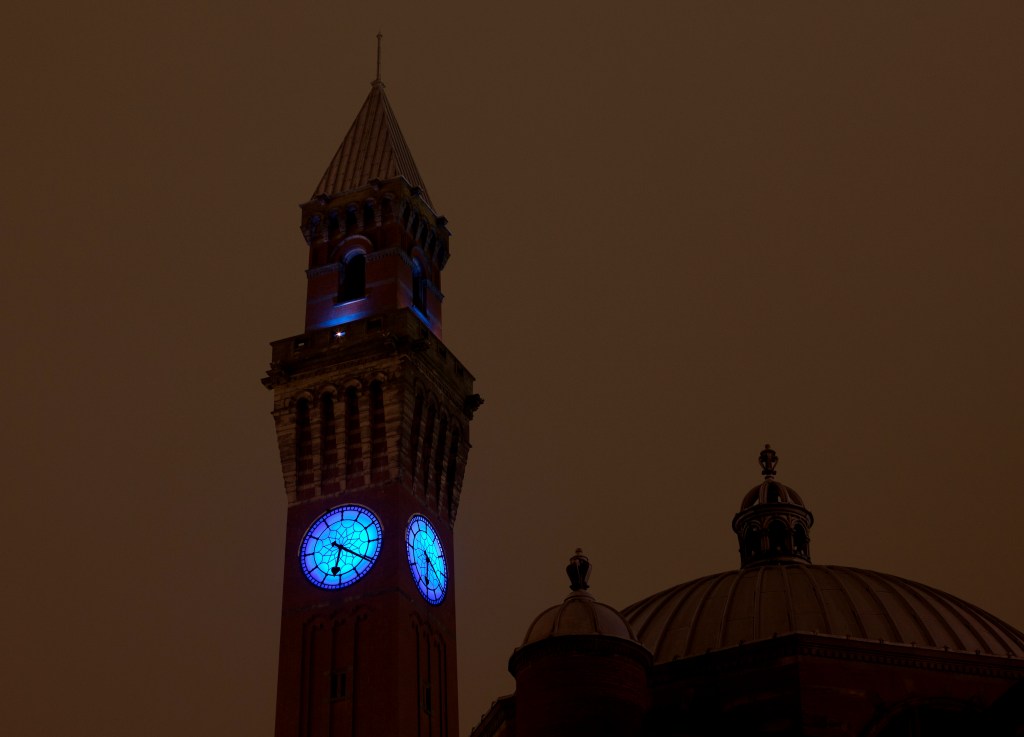
It is dark and rainy on the walk home from the Staff Pub, but warmer than it has been. I look up at the clock tower and it is shrouded in heavy fog. I can see the illuminated clock face, but the top of the tower is invisible. It reminds me of London’s pea soup fog at the turn of the century. I half expect Sherlock Holmes to emerge from the swirling mist.

Birmingham Clock Tower
Photo: University of Birmingham

At Glenelg, Caroline and Tony greet me at the door. They haven’t done that all week and I learn that Caroline has been sick. She looks pale but says she is feeling better.

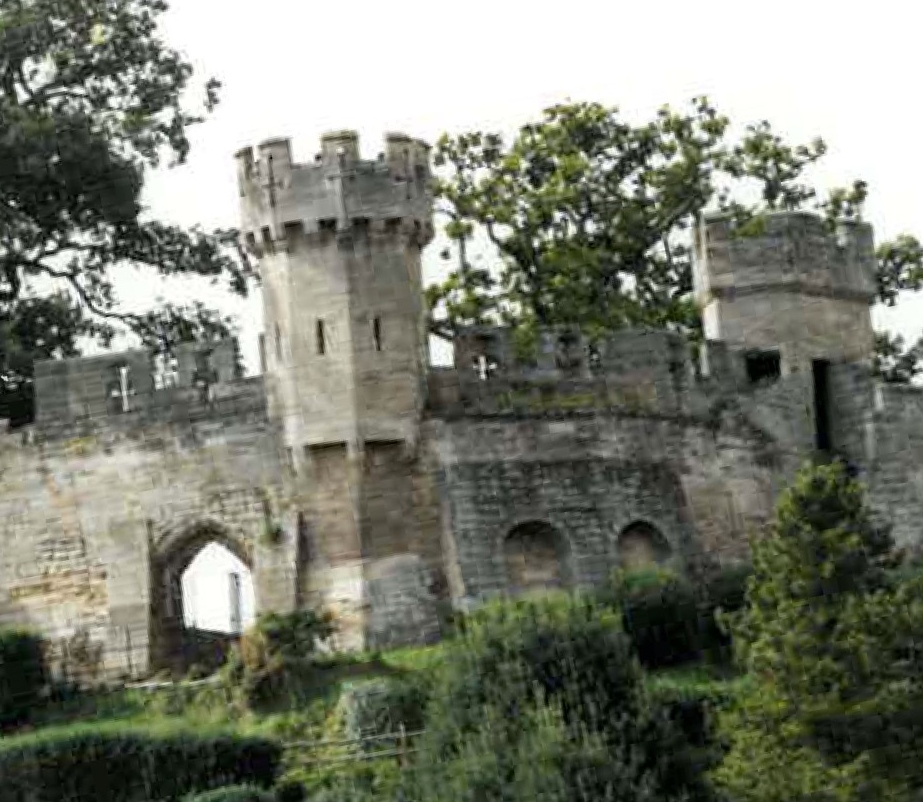
October 20, 1999 – Another View of Warwick Castle

Today is cold and windy (but not raining). I am going with Dawna and Jim to Warwick Castle. We plan to meet at Snow Hill station at 1 PM. They are there waiting for me and we make the 1:15 PM train.

I am not sure what the 3- and 5-year-olds will make of the imposing castle. Are they too young? Will they be bored? Will they appreciate any of it? Kirsten still doesn’t feel good and sometimes just sleeps on Jim’s shoulder as he carries her around. But Anthony loves it all. He’s excited about seeing the castle. He is inquisitive and full of energy. He even makes the half-mile walk to and from the train station without a word of complaint. And Kirsten is adorable. Dean tells me later that, at that age, “She could be anywhere.” She is as interested in the castle as she is in the TV in the hotel room.

Even though I had been to Warwick earlier in September, I am happy to be going again. There is so much to see.

We visit the Ghost Tower in the Northwest corner of the castle; an area I did not explore last time. One of the 17th century earls, Sir Fulke Greville, was a prominent Elizabethan courtier and poet. A servant, angry from believing that Sir Greville did not provide for him in his will, stabbed Greville, then, in horror at what he had done, stabbed himself. Both men died. It is said that Greville’s ghost haunts the tower that once housed his study where he composed the prophetic lines:

“If nature did not take delight in blood,
She would have made more easy ways to good.”

Ghost Tower, Warwick Castle

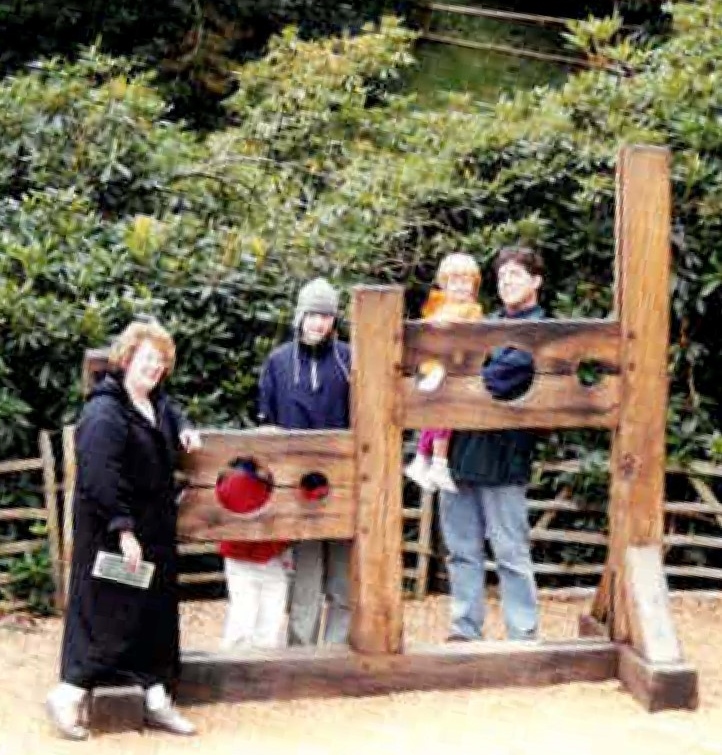
Before we go into the tower though, Anthony puts his head through the medieval stocks that held Warwick’s thieves and miscreants, and we take pictures.

Jody, Jim, and kids, Warwick Castle

After touring the castle, we walk through the exotic Peacock Garden, which I also didn’t see before. There is a fountain in the middle of the hexagonal garden with peacocks strutting around the beautiful roses (which are still blooming!). In addition to the live ones, large topiary peacocks perch on the boxy hedges that border the garden. Dawna, an avid gardener, loves these especially.

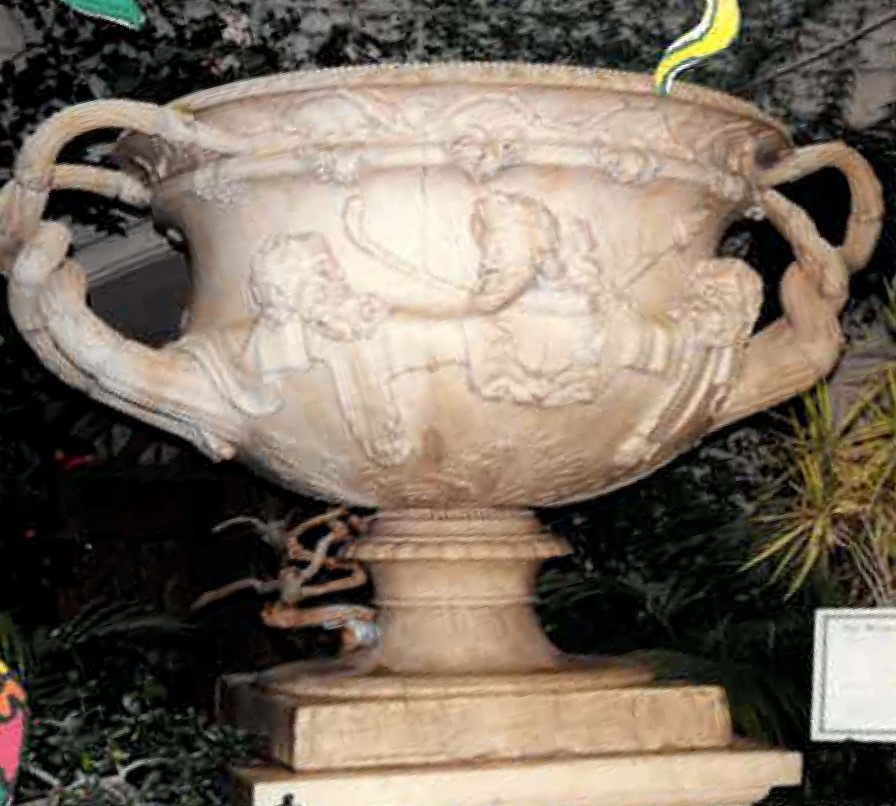
There is a lovely Georgian-style conservatory at the top of the garden made of pale-yellow stone with large, arched Gothic windows. In 1786, the Earl of Warwick at the time, George Greville, built the elegant hothouse specifically to display the Warwick Vase, an ancient, elaborately carved, stone urn uncovered by archaeologists near Rome. Weighing in at half a ton, it apparently caused a sensation when it was put on display at Warwick. The spectacular vase that we peer at is a replica; the original now in a museum in Glasgow.
Warwick Vase, Warwick Castle

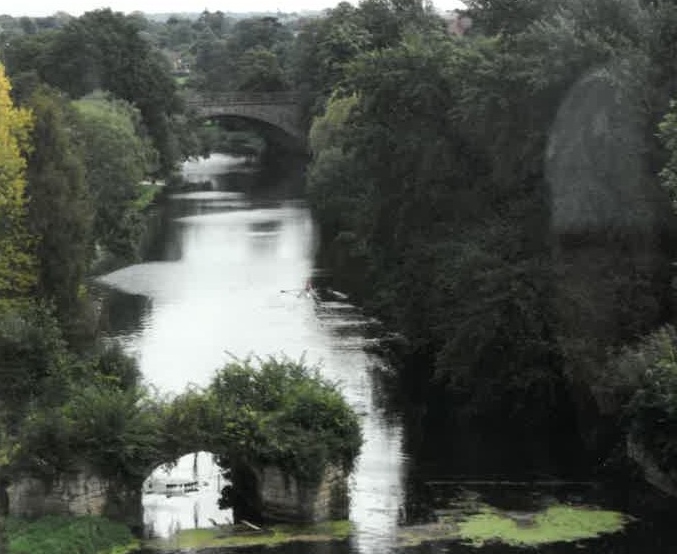
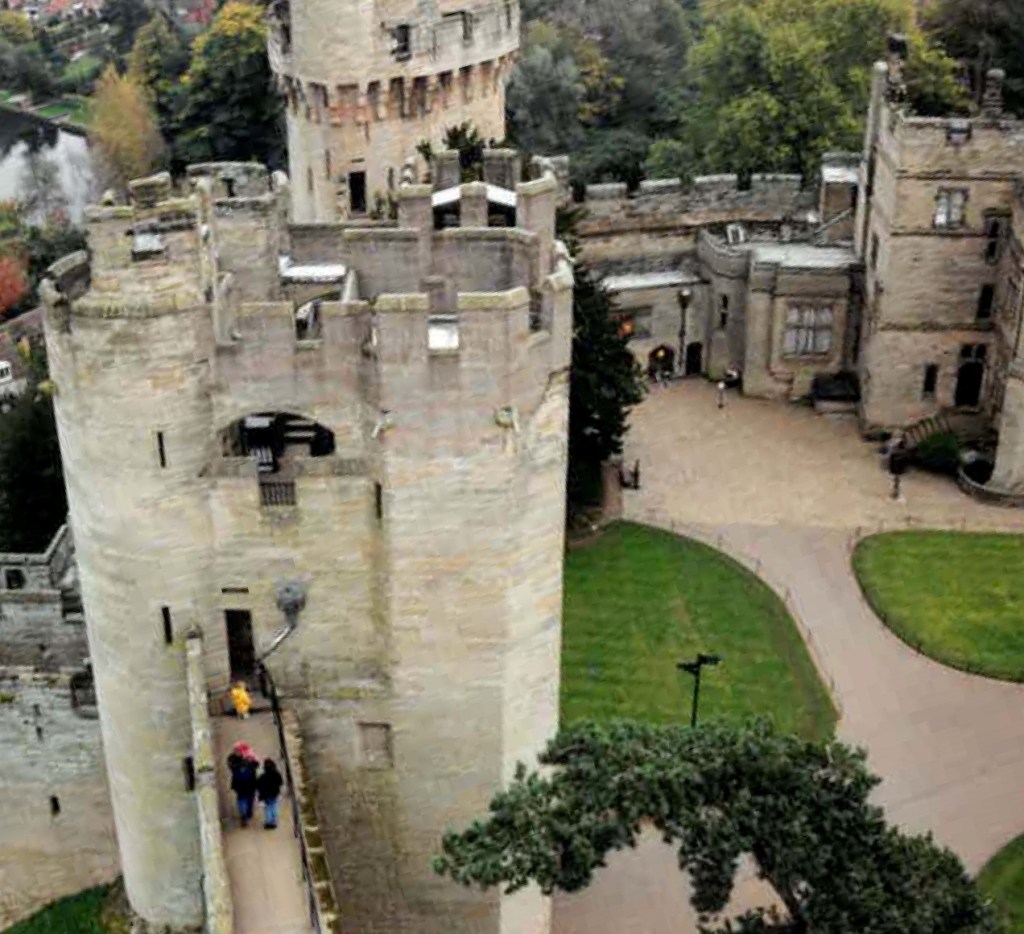
We have some lovely views from high up in the castle.
River Warwick
Warwick Castle from on high

We take the train back to Birmingham and I bid a fond farewell to Dawna and Jim, wishing that I could go with them to London tomorrow! I have enjoyed their visit more than they know. It is fun to be with someone from home, but more than that, their whole family is delightful. 

I have started a new book— Black Coffee—an Agatha Christie mystery. Today on the train to Warwick, another train passed us going in the opposite direction and for a quick moment we could see people in its carriages as our trains sped past each other. It reminded me of Agatha Christie’s 4:50 from Paddington, one of my favorites featuring a gossipy old woman on a train (the 4:50 from Paddington) who sees another woman being strangled in a passing carriage and no one believes her, except Miss Marple, of course. I am delighted that Jim knows exactly what I am talking about. Not many people do. It turns out his grandmother owned a whole set of Agatha Christie books and he’s inherited them. Black Coffee was originally a play that another author adapted into a novel in the style of Agatha Christie. It’s a bit stiff in places, but the endearing characters of Poirot and Hastings are spot on.

October 18-19, 1999 – Sealife

On Monday, Dean and I meet with Birmingham city staff. Birmingham is doing a lot with Best Value, gearing up for the April 1 mandate. We go once again to the Council House in Victoria Square, only this time we are taken into the bowels of the building where there are no red carpets or chandeliers. Neat, square rooms, one after the other, on both sides, line the length of a long corridor that our host tells us used to be the city mortuary. When we exit, we cut across a small courtyard in the building’s center where sectioned stone walls are visible—the stalls that once kept the horses that carried the Lord Mayor in carriages to his official functions.

I stop to see my friend, Dawna, at her City Center hotel. Her baby is sick and they are staying in today.

At the bank on my way back to the office, miracle of miracles, my ATM card is waiting for me! I hesitantly insert it into the machine and punch in my PIN number (the 2nd one, I don’t even try the first one that the tellers assured me would work) and several 20 pound notes spit out. More than a month and a half in, it seems my bank saga is over.

On Tuesday, I have a progress meeting with the BC’s Tim Chamberlain. I am expected to give a presentation on my project at the Edinburgh fellows’ meeting in November. In the meantime, Tim says to let him know if the council can help. He makes a passing reference about how different it is to work with Americans compared with other international visitors. I smile and say, “You mean because we’re pushy?” He demurs, “Well, I wouldn’t say that, but you are clear about you want and not afraid to ask for it.”

Dawna’s husband, Jim, is attending his convention, but Dawna and her three children, Elisabeth (13), Anthony (5), and Kirsten (3), and I plan to go to the National SeaLife Museum at Brindley Place. Anthony and Kirsten are all excited about seeing the “big fish” since I had told them yesterday we would go to the aquarium.

I am late and I hurry to catch the train to City Center to meet them. A train is pulling into University station just as I arrive. Instead of standing in the ticket line and missing my train that is leaving in mere minutes, I hop on with no ticket. They have never punched tickets on the short ride between University and New Street stations. Then, as I am sitting there, I see a blue-uniformed man at the rear of the carriage who looks like he is checking tickets. But whether he is not a conductor, or he just doesn’t make it to me at the front of the coach, I’ll never know because we pull into New Street station and I get off fast.

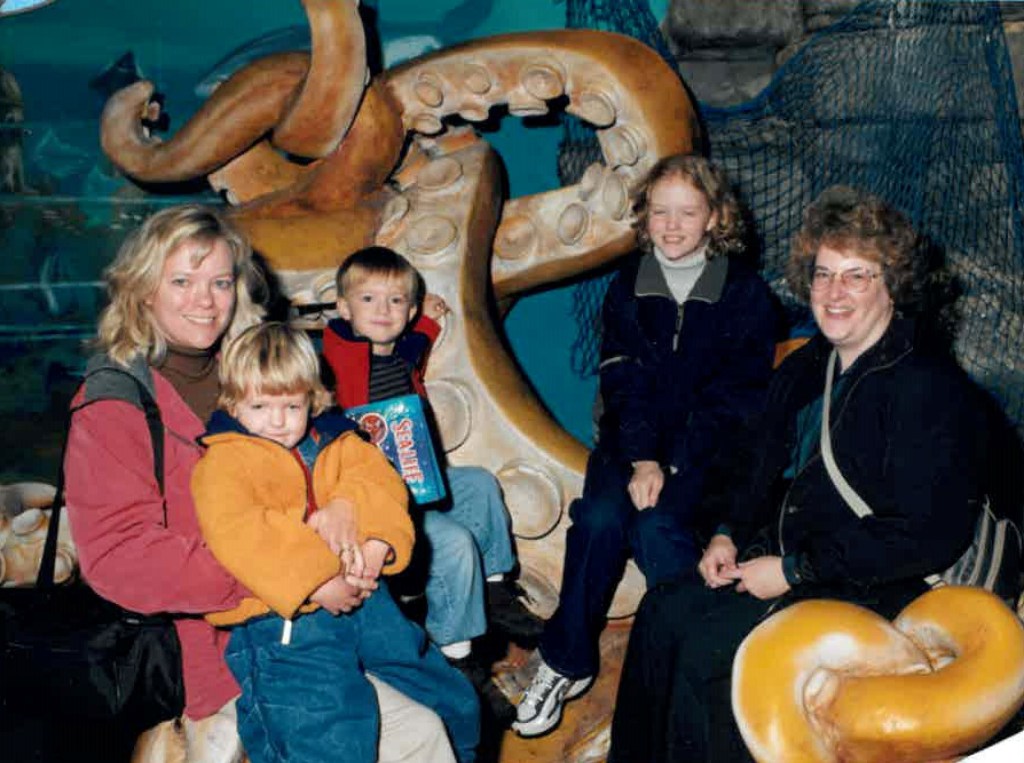
Dawna, kids, and Jody at Sealife Aquarium, Birmingham

I love aquariums and this one is wonderfully done. Big portholes of magnified glass let you peer into the ocean depths. I am mesmerized by the seahorses. They are strange looking; almost translucent with long snouts, little protruding potbellies, and curled up tails. They use their monkey-like tails to grip seaweed or coral so they aren’t swept away by the current. There is also a fascinating octopus named Bev. The SeaLife staff puts a plastic screw-top container containing a mackerel into the tank. Ever so slowly, the octopus wraps its tentacles around the top of the jar, and within 10 minutes, she twists off the cover!

Seahorse
Photo: National Sea Life Museum, Birmingham

To see the Titanic exhibit, we walk through an aquatic glass tunnel. Remnants of the ill-fated ship’s contents—a grand piano on its side, a cabinet full of crested china plates, most of them unbroken, and even a pearl necklace belonging to one of wealthy first-class passengers—are scattered on the ocean floor; fish swimming amongst them. Elisabeth loves the movie, Titanic. I don’t know if it is the movie she is keen on or Leonardo DiCaprio!

When Jim arrives, we go to nearby Brindley Place for pizza. It was a delightful afternoon and I have a great time with them!

  • In today’s news: There is growing speculation that the Princess Royal will soon be taking on a new role as the monarch’s ambassador in Scotland. The rumours, which surfaced over the weekend, suggest that the Princess could move permanently to the Palace of Holyrood and take the title of Princess Lyon—an historic symbol of Scotland’s royal heritage. Scottish ministers say that they would be happy to see the Princess living in and representing Scotland. But the Princess would never be the “Queen of the Scots” as Scotland already has a Queen, Elizabeth II.  (Source)
  • In today’s news: The Chinese president, Jiang Zemin, is visiting Britain. There is considerable controversy surrounding the visit and, in particular, about official Britain’s warm welcome of him considering China’s atrocious record on human rights. The government’s belief is that they can affect greater change by wooing the Chinese than by punishing them. Prince Charles took the highly unusual step of tacitly making his political views known by boycotting the president’s banquet in protest of the Chinese government’s campaign of genocide, which has killed 1.2 million Tibetans. One article describes Chinese criticism of the British for not doing anything to stop the public protesters. The Chinese president is said to have been very put out. Isn’t that just the point? The right to voice an opinion even in protest is at the very heart of human rights, which the Chinese leaders so willfully and brutally suppress. (Source)

October 17, 1999 – New Friends, British and American

Tony gave me a one-cup cafetiére and this morning I make a cup using the Godiva coffee I brought with me. It is nice to be able to have a cup of coffee in my room.

A cafetiére is a French-press coffee maker with a plunger that pushes the grounds to the bottom of the pot after they have steeped in hot water. I read an article in Economist magazine comparing the Blair government to a cafetiére. It said, and I paraphrase, that Thatcher relied on her ministers to develop new policy ideas and, like a percolator, the ideas would bubble up from the bottom. Blair, on the other hand, is a very top-down administrator. He and his most trusted aids initiate Labor policy and push it down through the government, like a cafetiére.

This is the first morning that I do not have breakfast downstairs. Dean and Barbara are picking me up first for brunch in Birmingham at 10 AM, then we’re going to Oxford for lunch.

Jane Lutz, a professor at INLOGOV, and her husband, Richard, live in Birmingham in a wonderful house in a very pretty neighborhood. They have an overgrown, multi-hued, English garden, bright with wild flowers; a winding path through it.

Jane has made laktes to serve with fruit and bagels. There is also lox, herring, and some other strong-smelling fishy stuff. Dean is the only one that eats the fish. I have some lox but neither Barbara nor I touch the white fish, nor do the kids.

Richard went to Bates College (graduating in 1972). He has a good friend, a lawyer in town, whom they visit periodically. He just shakes his head when I tell him I was born in Lewiston and grew up near there. Jane is a delightful person and I love her Scottish accent. Richard is a direct, outspoken New Yorker, but I like him. It was very sweet of them to have us over.

After brunch, we drive to Oxford, arriving only 45 minutes late. Still, we are only the second group to have arrived. Kathy Taylor, a fellow fellow, and her husband, Kurt, are our hosts. Kurt has a prestigious chair professorship at Oxford where he is teaching this year. I can’t imagine how he did that! Even he said it is unusual—visiting professors are not usually given chairs as they are reserved for the top faculty members.

Mary Ellen is here with her husband Kelly and their two children and Mildred (none of us can remember the mother-in-law’s name; it is Ari who tells us her name is Mildred). Mary Ellen, whose father is ill with cancer, receives the half-expected call while we are there that he has passed away. She went back to the U.S. last week to see him. We try our best to console her.

Andy and Rebecca have three children; one, an adorable little two-year old boy with the biggest, angelic smile. Andy says they got lost coming here; every time they get in the car, they get lost. He says jokingly they just got to the point back home where their children (the oldest is 8) were beginning to think they were adept at being parents. They had a roof over their head, they could get them to school and home, and they ate three meals a day. Now, in England, all that is out the window. He is immensely funny.

We talk and laugh, becoming fast friends due to our shared circumstances. We complain about British oddities—driving on the left, houses with plumbing problems, and, of course, the woeful banking! We wonder if we will miss it all when we return home to the States.

Kathy, Jody, and Stacy
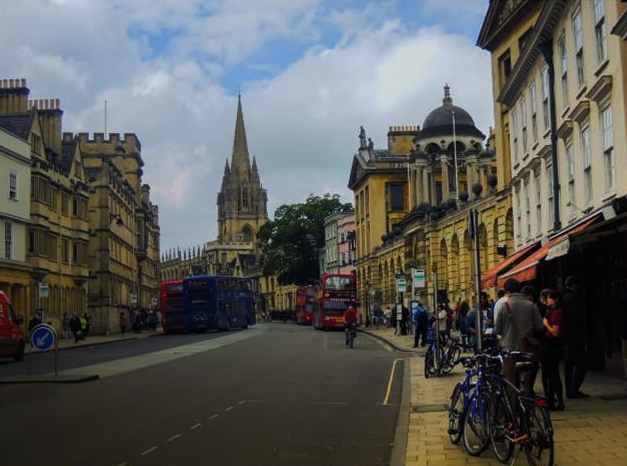
Oxford street

On the way home, we get stuck in a traffic jam and creep along for more than two hours before arriving back in Birmingham.

I have a message waiting for me from Dawna, a friend from the budget office at home. Her husband, Jim, is attending a conference in Birmingham. They have arrived in Birmingham!

  • In today’s news: Goats reprieved by Lords. The House of Lords has approved a measure which will end the centuries-old tradition of printing acts of Parliament on animal hide. At the moment, two copies of acts of Parliament are printed on vellum—a parchment made of goat skin. Under the new measure, only one copy would be produced on archive paper, which has a life expectancy of 500 years. There is also expected to be a financial savings of about £30,000 a year.

October 16, 1999 – Cadfael’s Shrewsbury

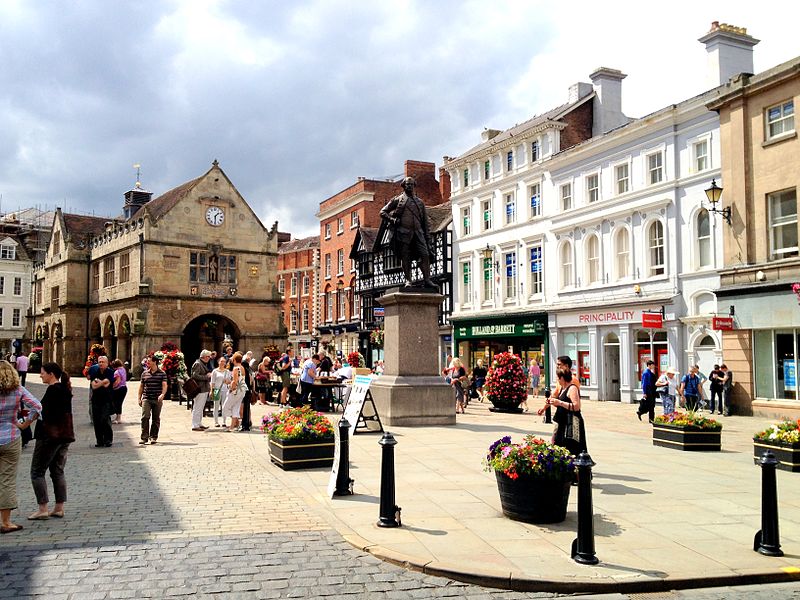
The train to Shrewsbury takes an hour from Birmingham. Following the signs for “tourist information,” I walk up the hill to the market square. Shrewsbury’s market square boasts a monument of Robert Clive, better known as Clive of India, one of the founders of British rule of India. He was also an MP for Shrewsbury in the 1760s.

The Drapers Guild built the two-story, 16th century Market Hall. The tourist information center is just behind it where they tell me a wedding is scheduled at the abbey at 1:30 PM. But it is just noon now and only a 10-minute walk, so I have time.

Shrewsbury Market Square
Photo: Wikimedia Commons

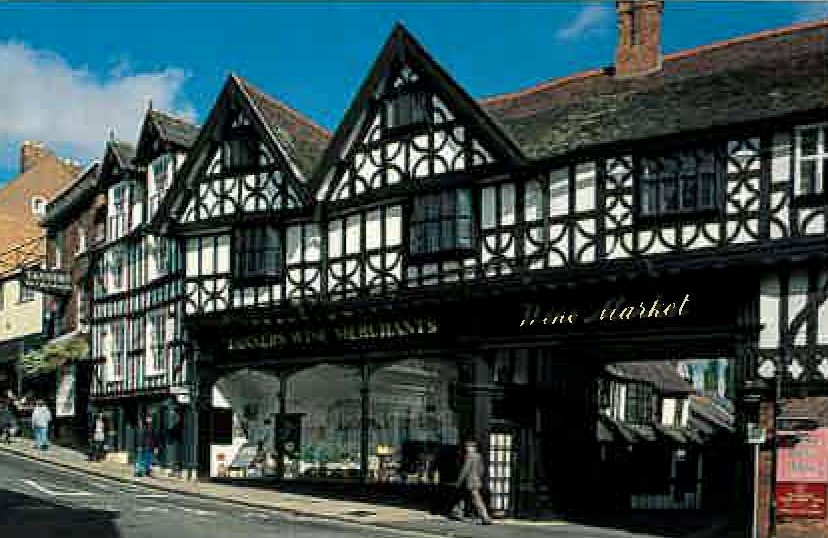
The narrow streets are lined with half-timber Tudor houses. My guidebook says:

Shrewsbury is famed for its unique medieval character and charm. Shropshire’s county town, it contains some of the best Tudor and Jacobean buildings, which cascade down steep gradients and along tiny cobbled alleyways to the river.

Tudor buildings, Shrewsbury

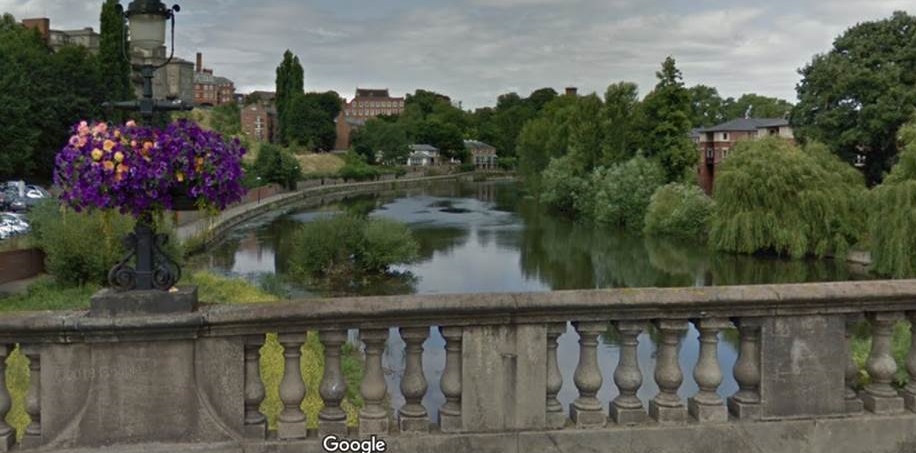
On my way to the abbey, I cross the English Bridge over the River Severn where there are two white swans and several brown ones sunning themselves. I wonder if the Queen owns them.

English Bridge, Shrewsbury
Photo: Google

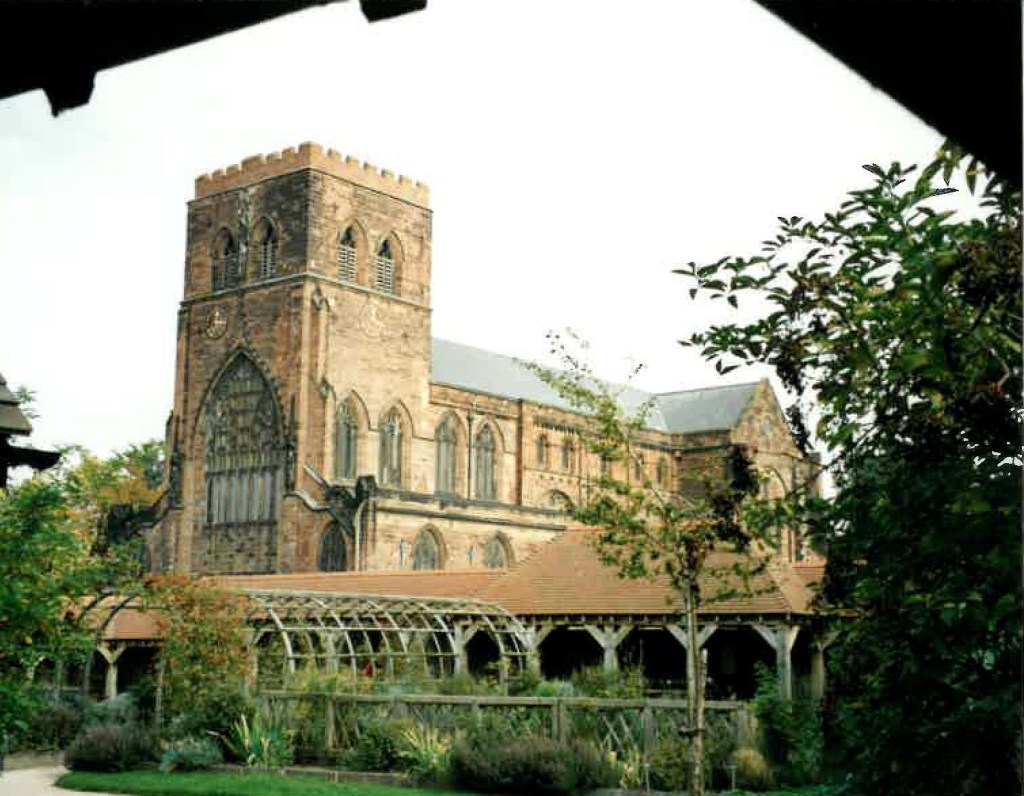
The sweet, red-bricked abbey that was home to a Benedictine monastery is smaller than I expected. It still has its original long, narrow Norman nave. I wander around inside for a while admiring its 14th century stained-glass window depicting St. Benedict, which is dedicated to local author Edith Pargeter who wrote under the pseudonym, Ellis Peters.

Shrewsbury Abbey

Founded in 1080, Shrewsbury Abbey thrived until the “Dissolution” under Henry VIII. In a straight-out money grab, Henry VIII took over 800 abbeys and monasteries, taking their treasures. Some were sold or converted to parish churches, but many others were ransacked, burned, quarried, or left to the neglect of time. Fortunately, Shrewsbury Abbey escaped destruction, the fate of many other beautiful abbeys—victims to Henry’s greed―but the monastery was not so lucky. Nothing of it remains.

Everything I know about Shrewsbury comes from Ellis Peters’s books about the famous sleuthing monk and herbalist, Brother Cadfael, which PBS made into a series for Masterpiece Mysteries, starring Derek Jacobi. Set during the period of history known as the Anarchy—20 years of conflict in the early 1100s with Maud, the daughter of a king, and Stephen, the king’s nephew, both grandchildren of William the Conqueror, fighting for the throne. In Shrewsbury, first Maude, then Steven, held the castle. Loyalties were divided and power passed back and forth making it a difficult political time for the monks and the townspeople. Cadfael tries to stay out of the struggle. In one of the book’s passages he says, “In my measure there’s little to choose between two such monarchs, but much to be said for keeping a man’s fealty and word.”

Across the street from the abbey, is a tourist attraction called the Shrewsbury Quest that re-creates monastery life at the time of Brother Cadfael. Among the rooms and exhibits are Cadfael’s herbarium and its medicinal dried herbs, which were a big part of the stories. As Ellis Peters describes it:

The eaves . . . were hung everywhere with linen bags of dried herbs, his jars of wine sat in plump, complacent rows, the shelves were thronging with bottles and pots of specifics for all the ills of winter.

Monk’s Hood,” Mysterious Press, 1980

The Quest captures it all utterly.

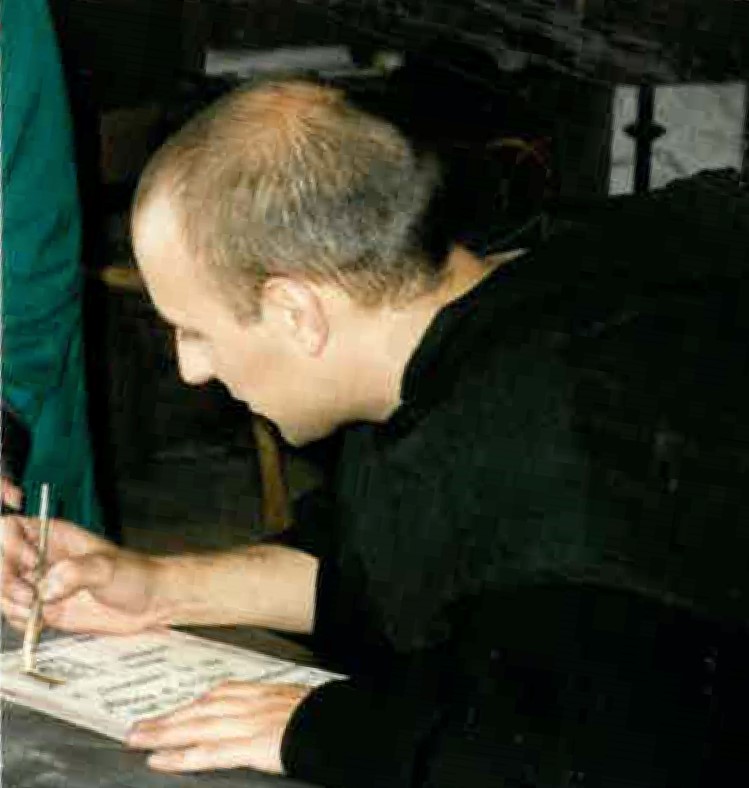
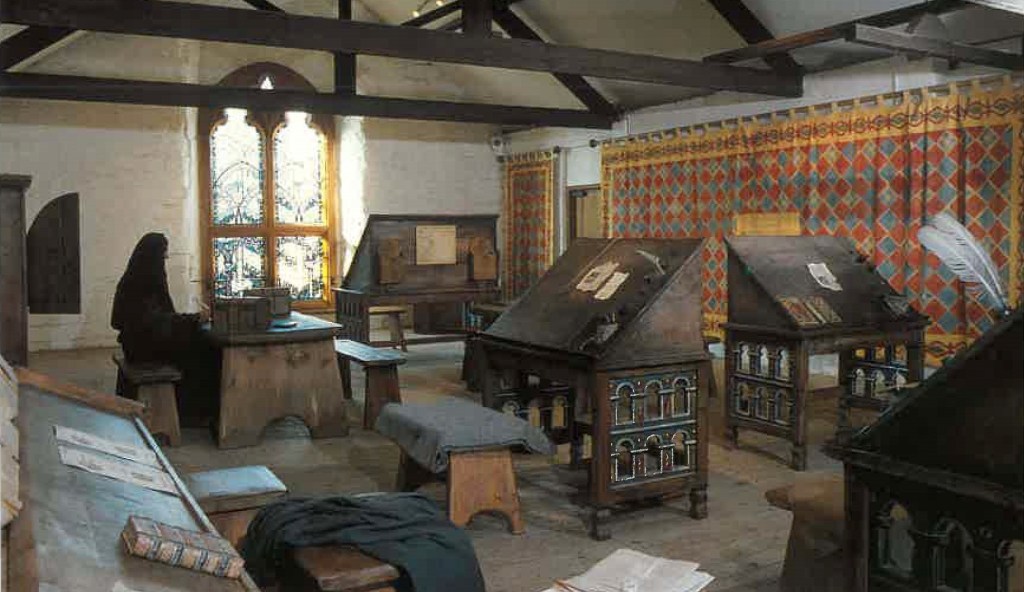
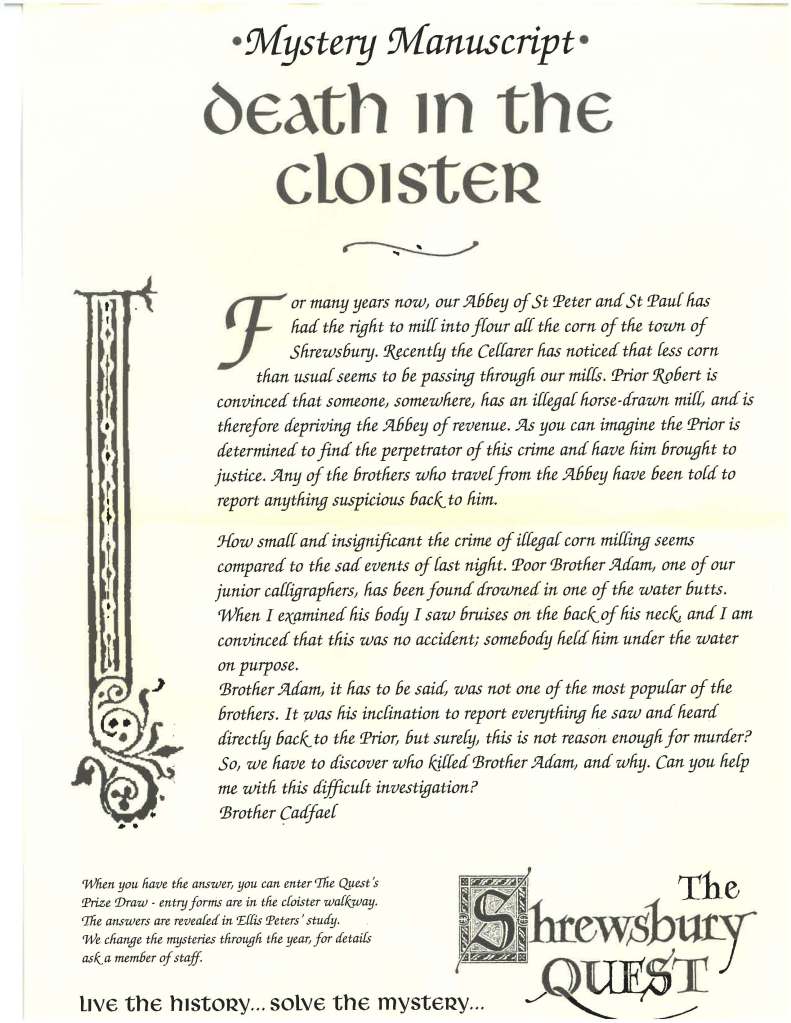
There is a puzzle to be solved with clues placed along the way in the cart shed, guest hall, scriptorium, herb garden, and herbarium, and finally a re-creation of Ellis Peters’s study. From the herb garden there is a wonderful spot to view the abbey just as it must have been nine hundred years ago; the noisy traffic blocked by the cloister walls and drowned out by the chanting monks. I stop in the scriptorium to do a brass rubbing and try my hand at calligraphy. I pick up the clues regarding the murder of Brother Adam who knew too much about an illegal grain milling operation, but I don’t seriously try to solve it.

A scribe at Cadfael’s Quest, Shrewsbury
Scriptorium, Shrewsbury Quest

Brother Cadfael would not recognize Shrewsbury today. It is a bustling town with hundreds of people milling about going into malls and record shops; young people hanging out on the street corner; and an odd kind of evangelist handing out pornographic literature to help us to get to know God. It is disappointing to see the small, sweet Shrewsbury Abbey, in which the medieval monks worshipped, located next to a busy highway.

I walk back across the river to the center of town and go into a few shops. From a bakery, I get a sausage roll and bottled water for lunch, and sit in the town square to eat it. 

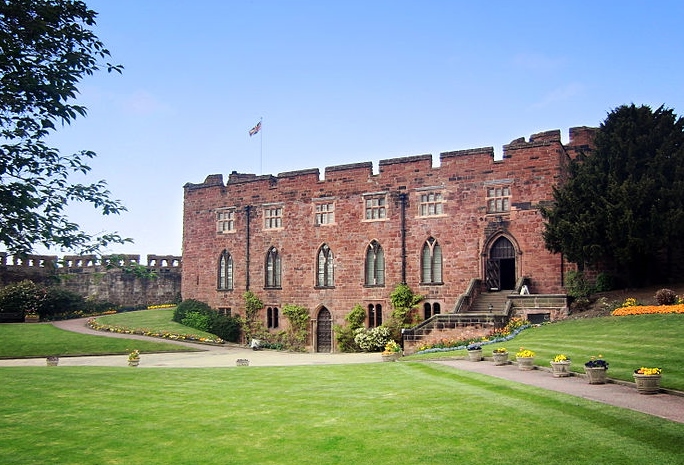
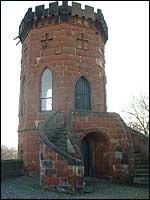
I make my way to the pink sandstone Shrewsbury Castle. William the Conqueror granted land to his closest ally, Roger de Montgomery, who built the castle to quell the troublesome Welsh. It now houses the Shropshire Regimental Museum, which the IRA bombed in 1992. If the terrorists were trying to make a point, they didn’t succeed. I fail to see the political power in bombing a small, local museum that is practically located in Wales. I skip the museum and walk around the courtyard and climb the hill to a small watch tower. There is a gorgeous view of the Severn River Valley and I can see the abbey in the distance.

Shrewbury Castle
Photo: Wikimedia Commons
Watch Tower, Shrewsbury Castle

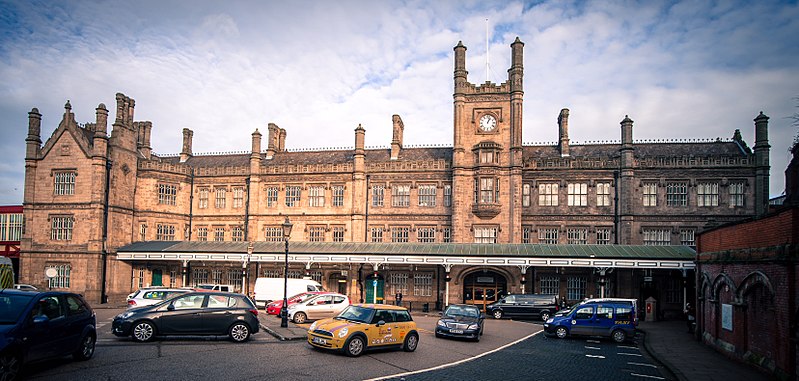
I head back to Shrewsbury’s impressive Victorian train station and am soon back at the B&B for a quiet evening.

Shrewsbury train station
Photo: Wikimedia Commons
Design a site like this with WordPress.com
Get started