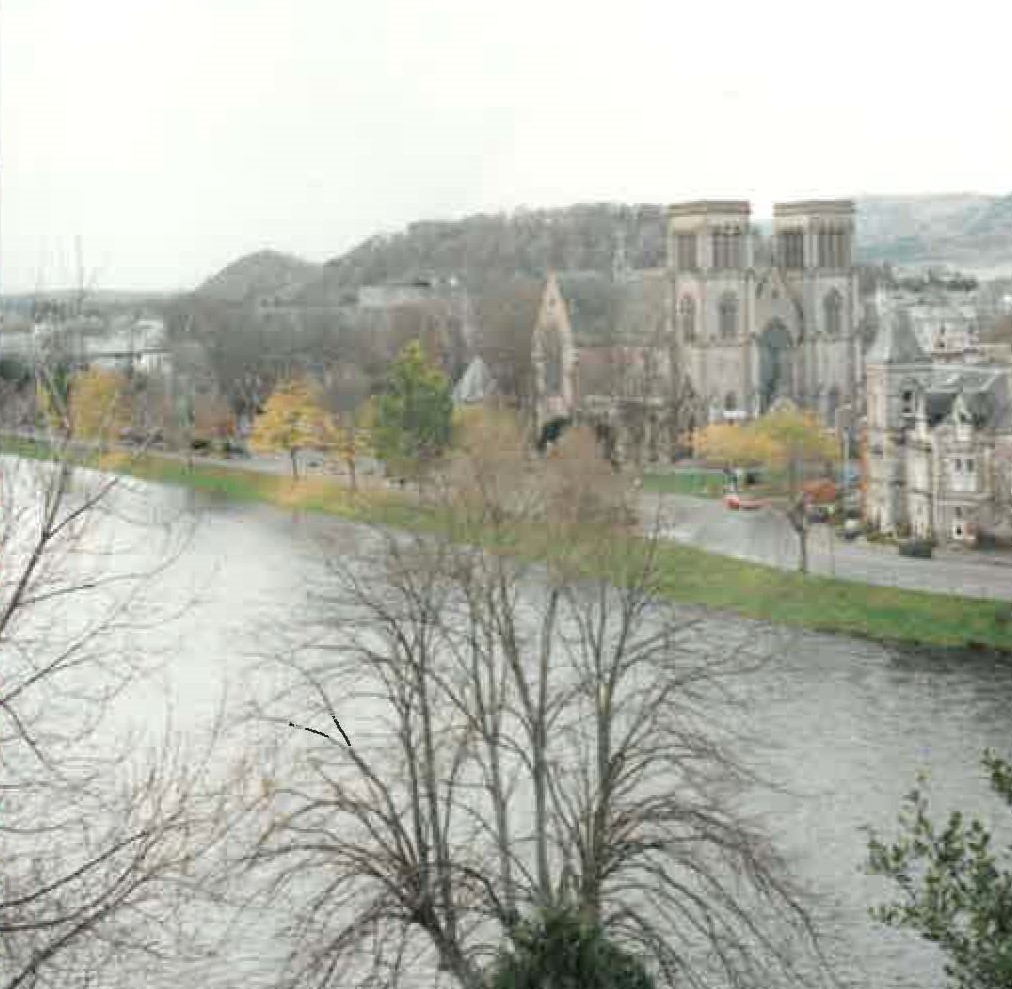
Breakfast at the B&B consists of porridge and toast. And the coffee is great. I drink the whole small pot. My tour is not until 10:30 AM, so I have time to kill. I walk down to the River Ness, cross over the Ness Bridge, and up to Inverness Castle.
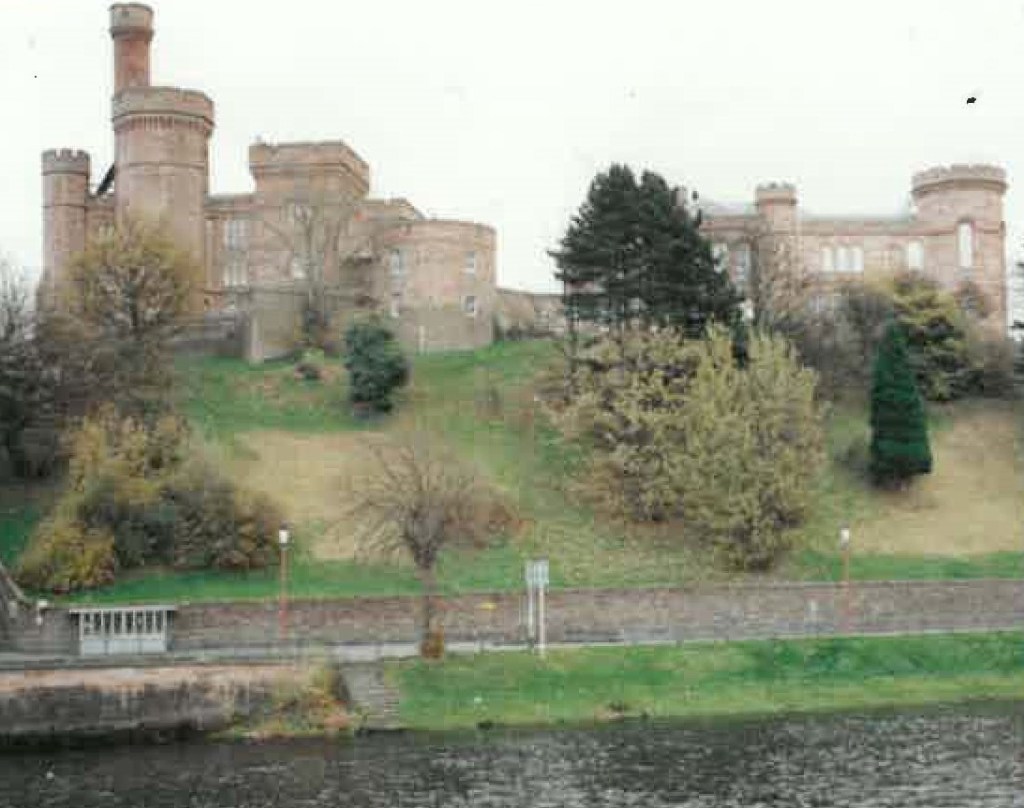
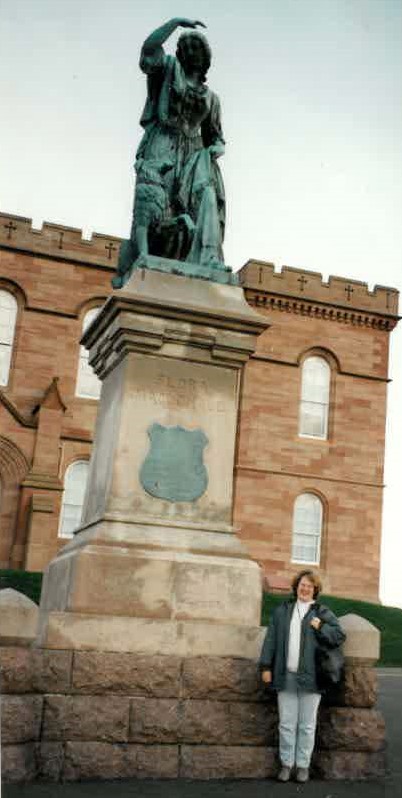
Made from red sandstone, Inverness Castle has a pink hue. Today’s castle is not original; Scottish soldiers blew that up in 1742 so the English couldn’t use it. It is a pretty, Victorian-style castle that now houses the Sheriff’s Court, but is not open to the public. In front is a statue of the intrepid Flora MacDonald—Scotland’s heroine who helped rescue the fleeing Bonnie Prince Charlie by dressing him in women’s clothing and pretending he was her maid.
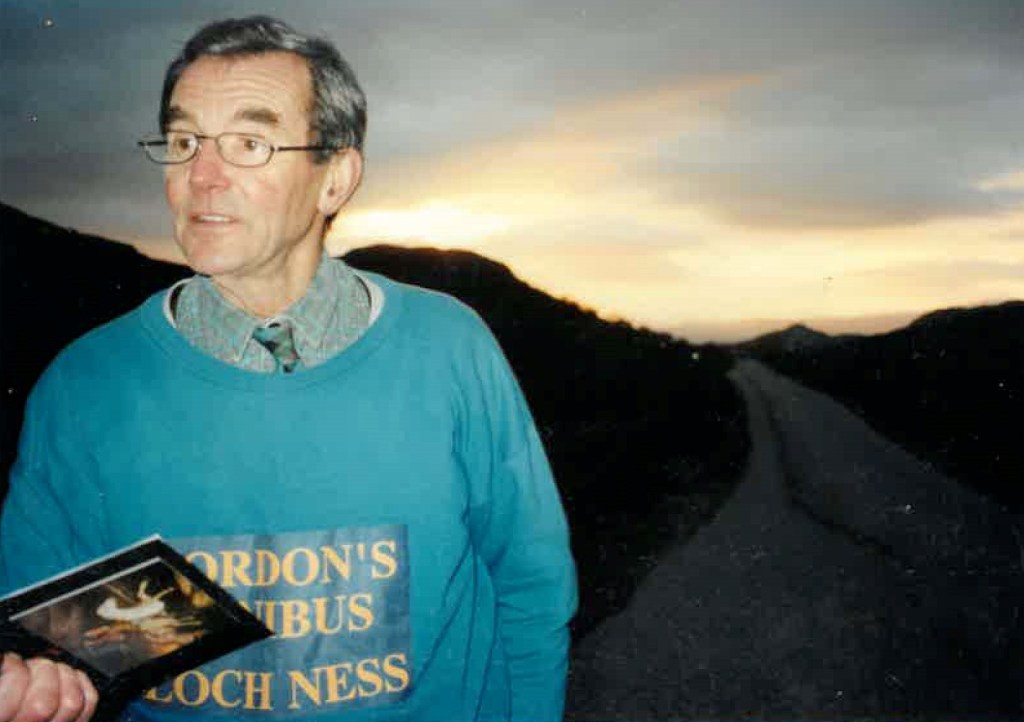
At 10:30, I board the minibus with Gordon, our tour guide, and 12 other loud Americans (American tourists always seem to be loud—and demanding) for a tour around Loch Ness. Gordon―a poet, biologist, and historian―takes us first to the north shore of Loch Ness with a splendid view of the staggering 23-mile-long and 750-feet-deep lake. We walk along the rocky beach made of small, smooth, pink stones.
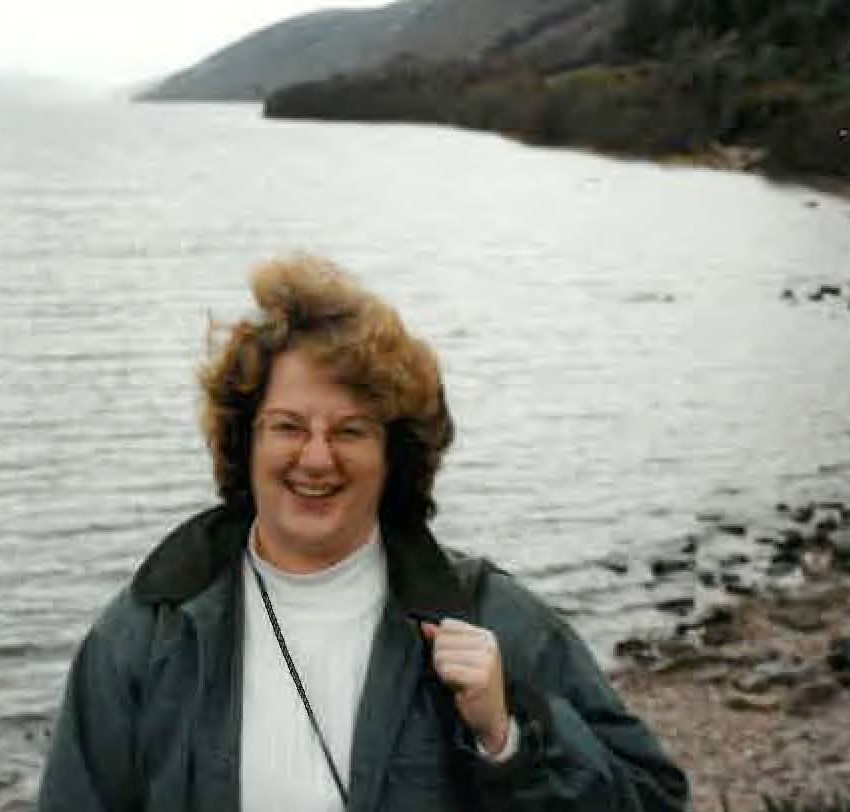
In the distance, at the other end of the beach, we can see a black object with a long, thin neck sticking out of the water. We know it is only a piece of driftwood, still we eagerly take pictures. Gordon tells us the lake is too cold to support reptiles and so impossible for a Plesiosauria, which Nessie is supposed to be, to live in it.
No one really believes in the Loch Ness monster since the man who took the only reliable photograph in the 1930s made a deathbed confession last year that it was a fake. There is no other proof of any “beastie,” but the tourist trade still thrives on its legend.
We stop to see the ruins of the 15th century Urquhart Castle—once one of Scotland’s largest castles―before the British blew it up in 1692. From its perch on the top of a high sheer cliff, it still holds a commanding presence on the headland of Loch Ness. It is one of the favorite Nessie spotting sites; supposedly the most tourist sightings of the prehistoric lake monster have been made here.
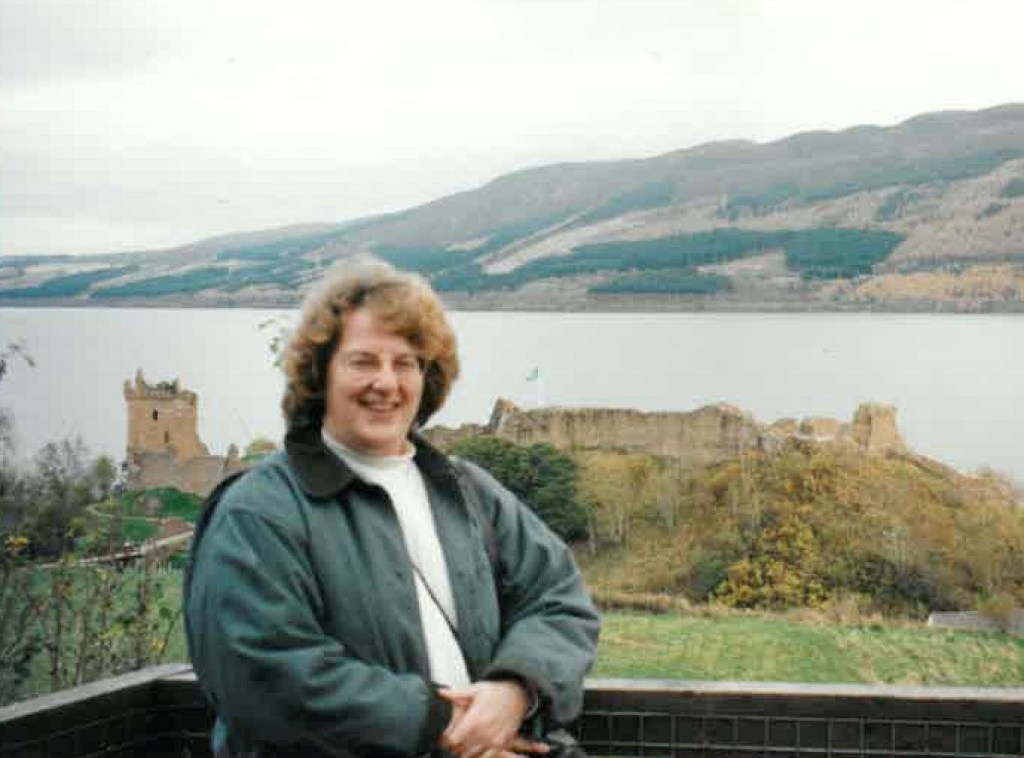
It is a particularly beautiful spot.
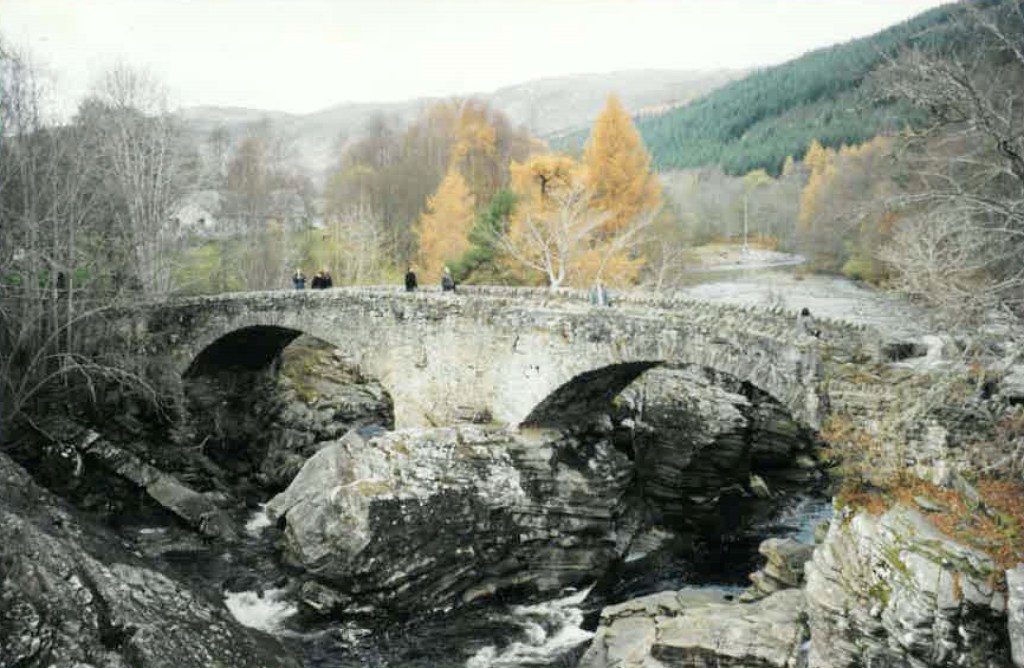
We travel on to Invermoriston where we can see the historic, vaulted, stone Telford Bridge. It is a pretty view of rippling water and autumn-gold, leafy trees.
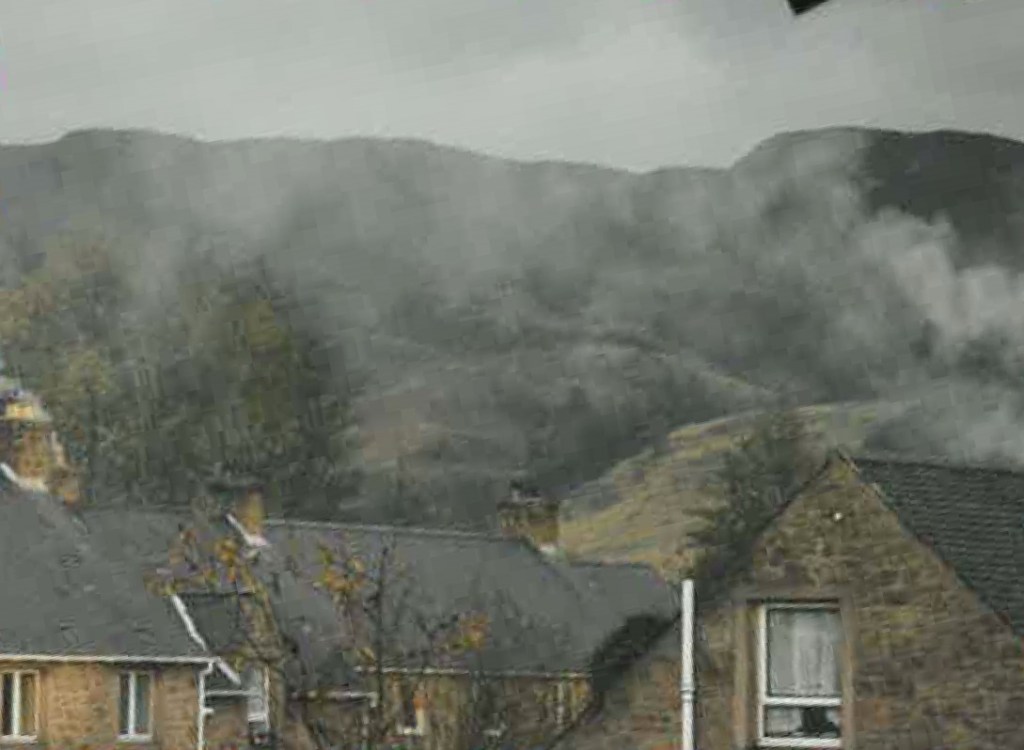
Next we drive on to Fort Augustus at the southern tip of Loch Ness―a small village where the air is redolent with pungent, smoky peat fires.
At lunch in Fort Augustus at in a little place called Scot’s Kitchen, one of the Americans turns up her nose at the fish & chips special. She doesn’t like them and can’t understand why any self-respecting British person would either. I would love to order them in front of her, but I am not that hungry. I get the tuna melt.
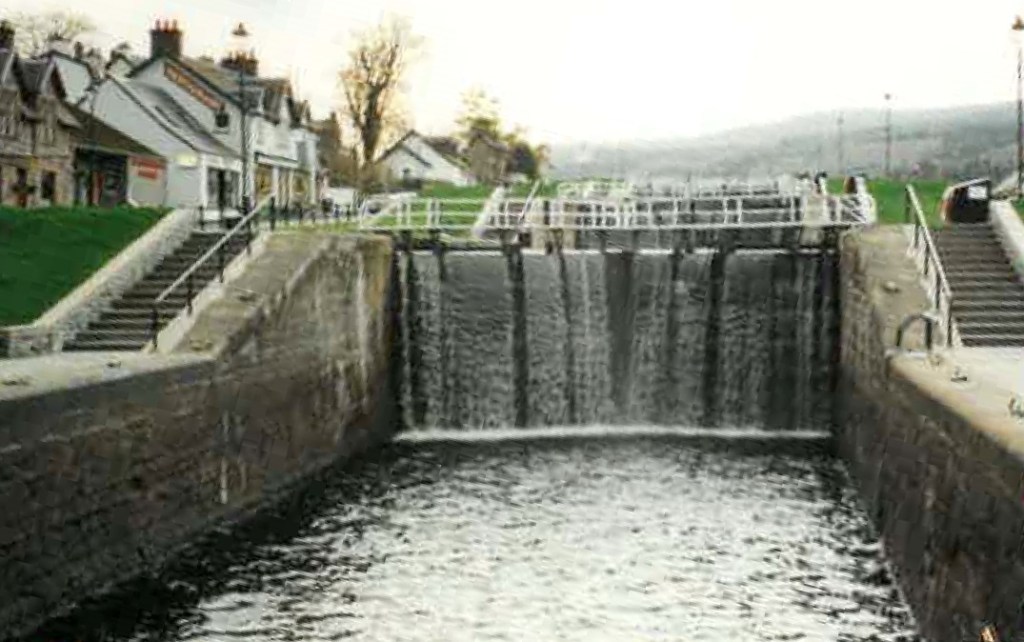
After lunch, I walk with my fussy lunch companions to see the Caledonian Locks; a Victorian engineering marvel. Fort Augusta connects three others lakes―Loch Oich, Loch Lochy, and Loch Linnhe―to Loch Ness via the Caledonian Canal. The locks at Fort Augustus raise and lower the water level to let ships pass from Loch Ness to the other lakes. Thomas Telford, who designed the Telford Bridge at Invermoriston, engineered the 60-mile canal and lock system in the early 1800s that features 29 locks in all with four aqueducts and 10 bridges.
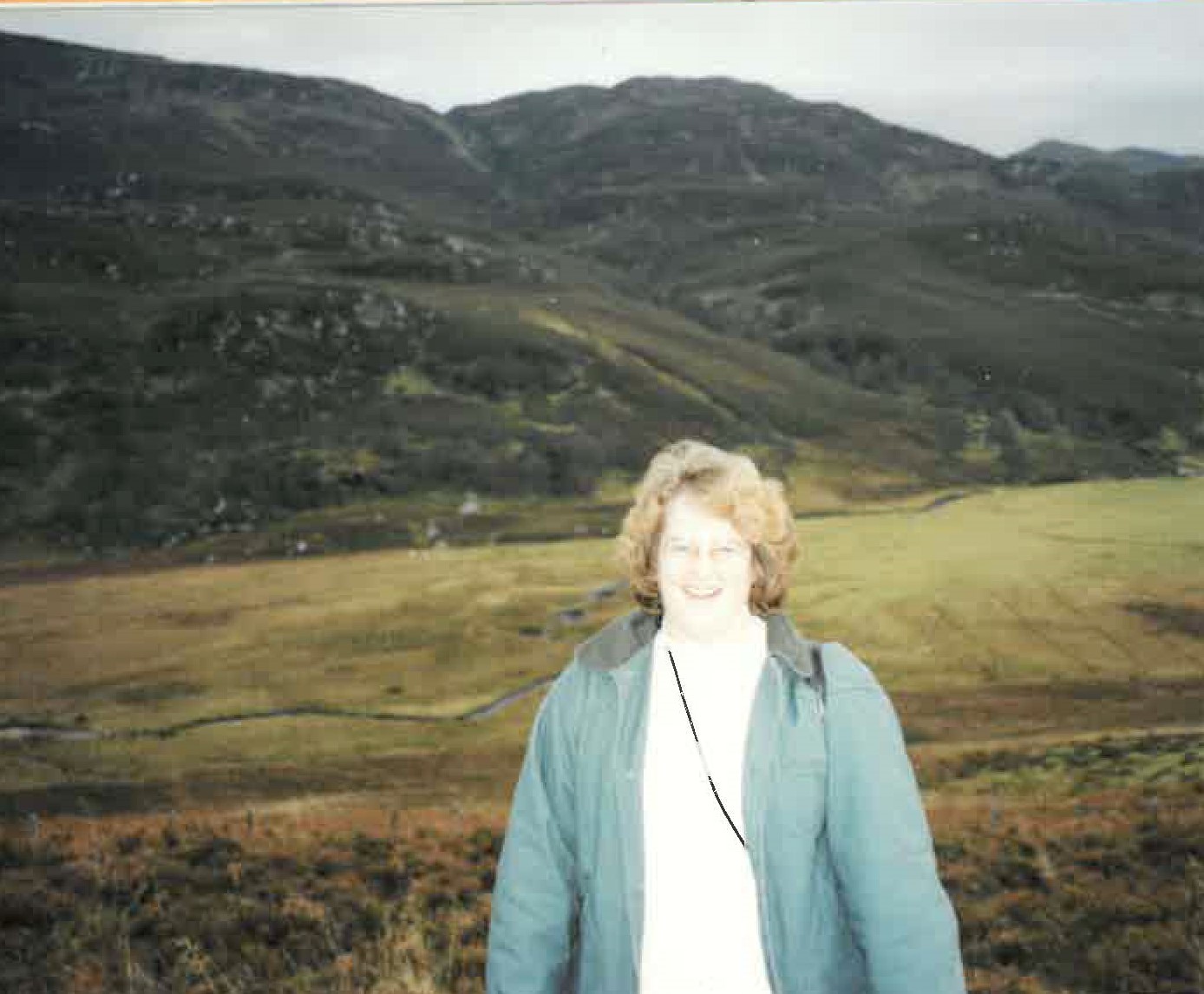
Back in the minivan, we turn and head north along the eastern shore of Loch Ness. We pass some of the most beautiful scenery I’ve ever seen. The Highland mountains are covered with heather. Although it is not in bloom, it is still beautiful. We stop to admire the view and Gordon tells us we must romp in the heather—a very Scottish thing to do. Although I wouldn’t call it romping, I do walk up the hillside.
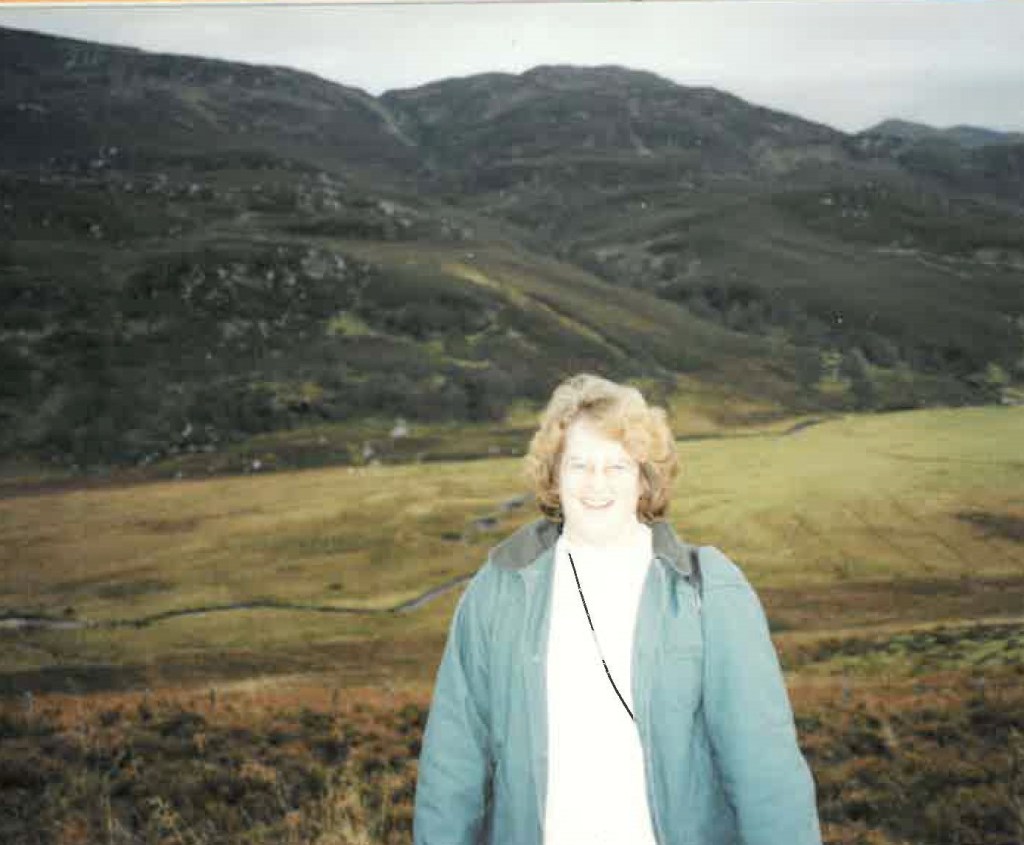
All along the drive we see wildlife—pheasants and Scotland’s red deer.
As we drive home, the sun is setting behind the mountains at our backs. Gordon says this is what the Scottish Highlands look like at their best. He stops in the middle of the road and we all pile out to watch the sunset. I will never forget how beautiful it is. As the sun goes down and the mountains dissolve into inky twilight, Gordon reads us the Robert Burns’ poem, Tam O’ Shanter:
Tam O’Shanter is an old Scottish legend that Robert Burns turned into a narrative poem. In the tale, after a long day at market Tam (Tom) stays drinking until near the witching hour (the hour between night and day) against his wife, Kate’s, warnings. As he rides his mare, Meg/Maggie, home, his course takes him past the haunted Alloway Kirk (church). Through the church windows, he sees witches dancing and then has to flee for his life as they give chase. He makes for the brig (bridge) over the River Doon, knowing that the fiendish creatures cannot cross running water. Despite the horse being a fast one, by the time Tam reaches the middle of the arch of the bridge, the “pursuing, vengeful hags” are so close at his heels, that one of them actually springs to seize him but only manages to grab the horse’s tail. Poor Meg’s tail never re-grew and her tail-less condition serves as a reminder to the local farmers not to stay out too late drinking.
Myths and Legends website
Here’s an excerpt from Gordon’s reading of Tam O’Shanter:
Ah, Tam! ah, Tam! thou’ll get thy fairin!
In hell they’ll roast thee like a herrin!
In vain thy Kate awaits thy comin!
Kate soon will be a woefu’ woman!
Now, do thy speedy utmost, Meg,
And win the key-stane of the brig:
There at them thou thy tail may toss,
A running stream they dare na cross.
But ere the key-stane she could make,
The fient a tail she had to shake!
For Nannie far before the rest,
Hard upon noble Maggie prest,
And flew at Tam wi’ furious ettle;
But little wist she Maggie’s mettle—
Ae spring brought aff her master hale
But left behind her ain grey tail:
The carlin claught her by the rump,
And left poor Maggie scarce a stump.
Now, wha this tale o’ truth shall read,
Ilk man and mother’s son, take heed,
Whene’er to drink you are inclin’d,
Or cutty-sarks run in your mind,
Think, ye may buy the joys o’er dear,
Remember Tam o’ Shanter’s mear.
Robert Burns, Tam O’Shanter
As we make our way home, Gordon points out the kind of bridge that Tom would have fled across as he narrowly escaped the witches. He also points out the exact bridge that a fleeing Bonnie Prince Charlie used as he made his way, defeated, from the battlefield at Culloden. As we approach Inverness, the city’s lights twinkle all along both sides of the river.
Inverness Terror Tour
I go on a walking “Terror Tour” with tales of ghosts, ghouls, and torture. A funny little man with long hair dressed in a black frock coat and tattered top hat carrying a walking stick—in the persona of the ghost of Deacon Brodie—guides us through the streets around the castle.
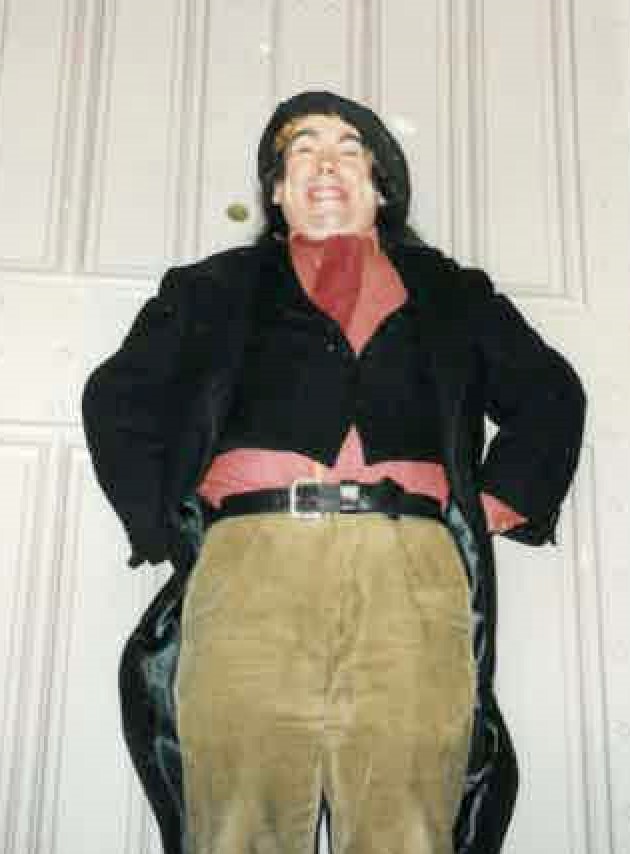
Deacon Brodie, an 18th century graverobber, inspired Robert Louis Stevenson’s Dr. Jeckel and Mr. Hyde. In the day, medical students and doctors would pay for cadavers for dissection. Deacon Brodie, being the entrepreneurial man that was, began killing people to get more corpses and increase his earnings.
Our tour ends in a haunted bar where our tour guide swears, “Some really strange things have happened.” He doesn’t elaborate―odd for someone leading a ghost tour―but says that Inverness is one of the most haunted towns in all of Britain.
Tonight the pub is full of “drunken eegits,” as the Deacon calls them, watching the England-Scotland football game. I have a cider and soon leave. The streets are full of soccer fans; men in kilts, two with tux jackets over their kilts, some staggering, many singing. I am not in Kansas anymore, Toto.
I switch on the TV and watch Cliff Richardson singing. I remember Caroline telling me how wonderful Cliff Richardson is (often called “Britain’s Elvis”). On another station is the military tattoo being televised live from Albert Hall where Prince Charles is in attendance.
- On the web: I find a webcam of Loch Ness so I can look for Nessie anytime I want.
 Jody’s UK Memories