It is not yet light at 7:00 AM when I get up. The sky is gray and Edinburgh Castle looms starkly over the city.
The train ride to Inverness is another long one—more than three hours—but delightfully scenic. We pass over the Firth of Forth via the landmark red-oxide Forth Rail Bridge; its tracks spanning more than a mile and a half. Today, the water is gray and dull unlike the sparkling blue memory I have from September. The bay is littered with fishing trawlers, cranes, and other commercial fishing rigs.
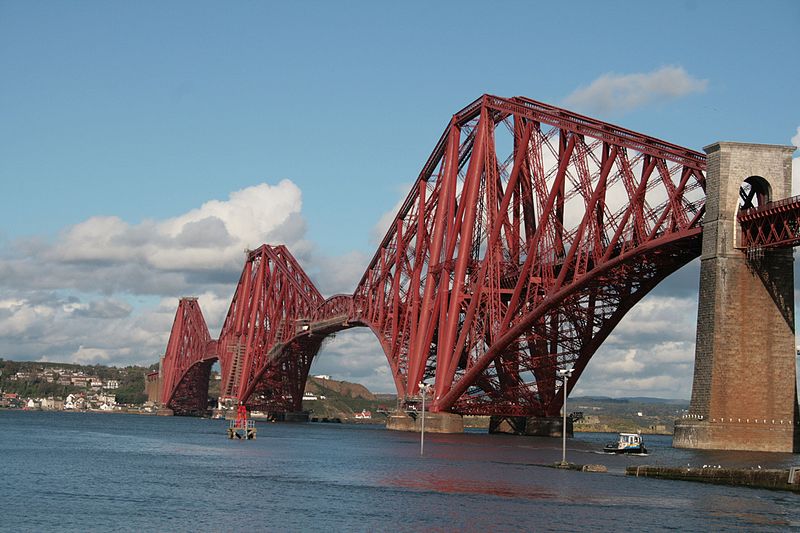
Photo: Wikimedia Commons
The train travels along the coastline for about 20 minutes. It is low tide and for a few minutes we ride along some muddy flats that extend to the sea with mountains in the hazy distance. People are digging for clams. Then the shoreline turns to a sandy beach before the railroad cuts into the craggy hills and I lose the sea view. In Kinghorn, the coastline reappears and it is dotted with small trailers. They look about half the size of U.S. mobile homes, but they have the best oceanside views. The next stop is Kirkcaldy. Then we turn inwards to Markinch, past the Firth of Tay, briefly, and on to Perth where a man gets on the train wearing a Blackwatch plaid kilt.
In Dunkeld, the sun comes out but with clouds so low they touch the tops of the trees and castle turrets. From my train window, the sun shines bright and clear in the west but, to the east, the hills and trees are shrouded in what can only be the famous Scottish mist. Soon the train is enveloped too and we ride north in and out of the morning mist. I expect the mythical Brigadoon to emerge at any minute.
My train pulls into Pitlochry amidst brilliant sun. It seems to be a town of grey stone and turrets. I see one impressive stone house nestled in the dark woods among pine trees and moss. It is just like Queen Victoria’s description in her Scottish diaries. She wrote
We passed Pitlochrie, a small village…then came to the Pass of Killiecrankie, which is quite magnificent; the road winds along it, and you look down a great height, all wooded on both sides, the [River] Garry rolling below it. I cannot describe how beautiful it is. Albert was in perfect ecstasies.
Queen Victoria’s Scottish Diaries
I can see why Prince Albert loved it so much.
We travel deeper into the tree-covered mountains, their tops obscured by mist. The track goes through dark tunnels cut through rock, across small rivers and streams. and then suddenly bursts into a bright open field full of grazing sheep, then plunges back into the mountains, now bare and grass covered. In Blair Atholl, everything is covered with a heavy frost.
In the distance I can see the white turrets of Blair Castle. Home of the dukes of Atholl, British soldiers besieged the castle during the 1745 uprising. Queen Victoria stayed here in 1844 on her second visit to the Highlands.
The further north the train travels, the more barren the landscape becomes. Still mountainous, but bare, brown, and rocky instead of tree-lined and lush green. In Dalwhinnie, I can see the Dalwhinnie whisky distillery with its odd-looking turrets, something akin to Japanese pagodas.
We follow the River Spey to Kingussie. As the sun turns to clouds, it becomes bleaker. I am cold, but the buffet cart has run out of hot water for tea, which is annoying.
Then suddenly the scenery opens up wide to the Moray Firth with Inverness nestled at its mouth.
I disembark and follow my map to Crown Street. A set of stairs, three stories high, takes me up to a residential area. In a neighborhood where nearly every other house is a B&B, I find the Pitfaranne Guest House about three blocks down. Jim Morrison, the host, answers my knock and greets me warmly with his Scottish brogue. He appears to be about 40. His long dark-blond hair makes him look like a skinny Mel Gibson as William Wallace. His wife, Gwen, shows me upstairs.
Culloden Moor
My walk to the tourist information center gives me a nice view of Inverness Castle and information about the bus, which I board and take to the Culloden battlefield.
Culloden Moor is the site of the final brutal battle between the English and Scottish in 1746. The Scottish clans fought to put Bonnie Prince Charlie on the British throne; the grandson and heir to the Catholic Stuart King James II who fled England after being deposed in 1688. It was an uprising that nearly destroyed Highland society.
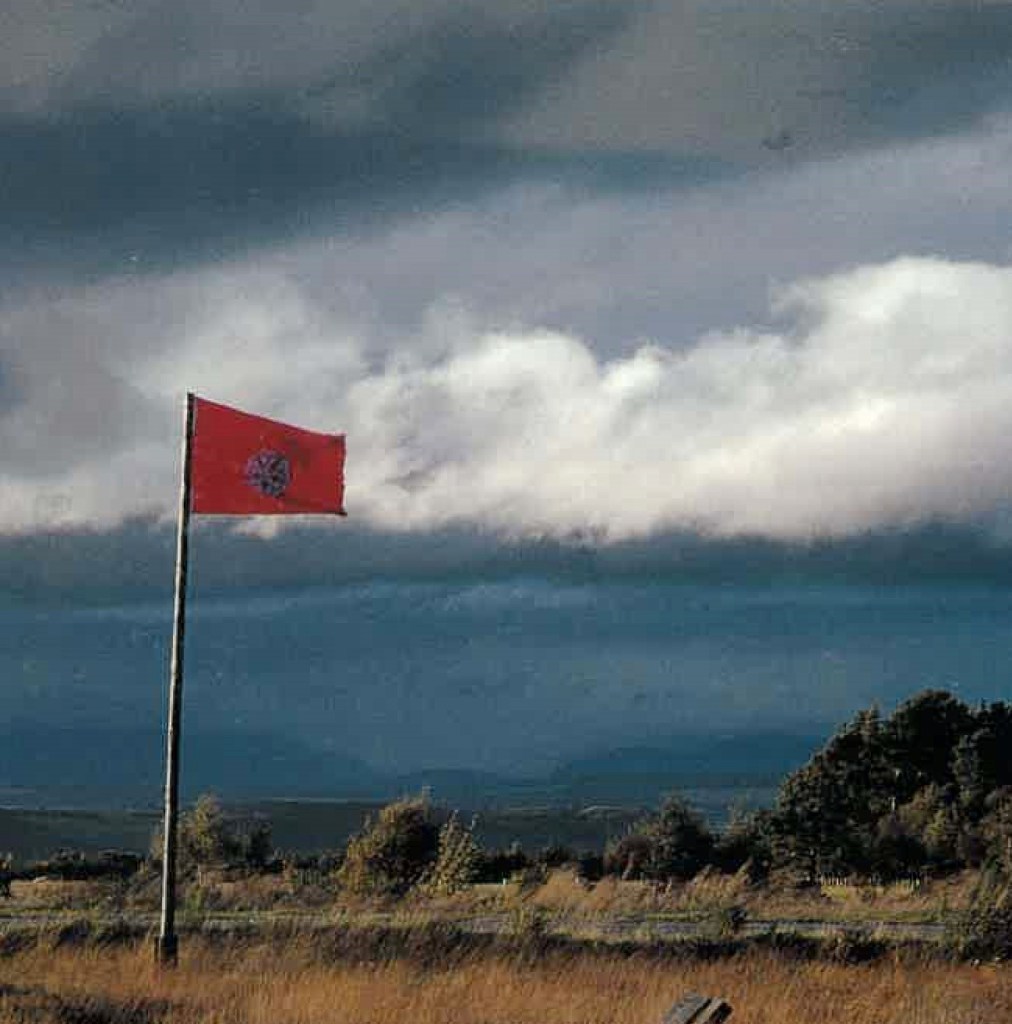
It is a stark, desolate field with rows of red and blue flags marking the armies’ lines. The Scots were slaughtered here even after they surrendered. The Duke of Cumberland, the English army leader, who the Scots call “The Butcher,” gave furtive orders to kill anyone left alive after the battle was over. Then, a series of English laws forbade wearing kilts, playing bagpipes, speaking Gaelic, and outlawed countless other traditional Scottish customs. This was the story of William Wallace in Braveheart.
Bonnie Prince Charlie, a romantic figure to this day, survived the battle and escaped to France. He died in Italy 40 years later; the last of the Scottish line of kings.
The battlefield is quiet with a sad and bleak mood. Some people say that Gettysburg feels the same way; the weight of the death of so many men hanging in the air.
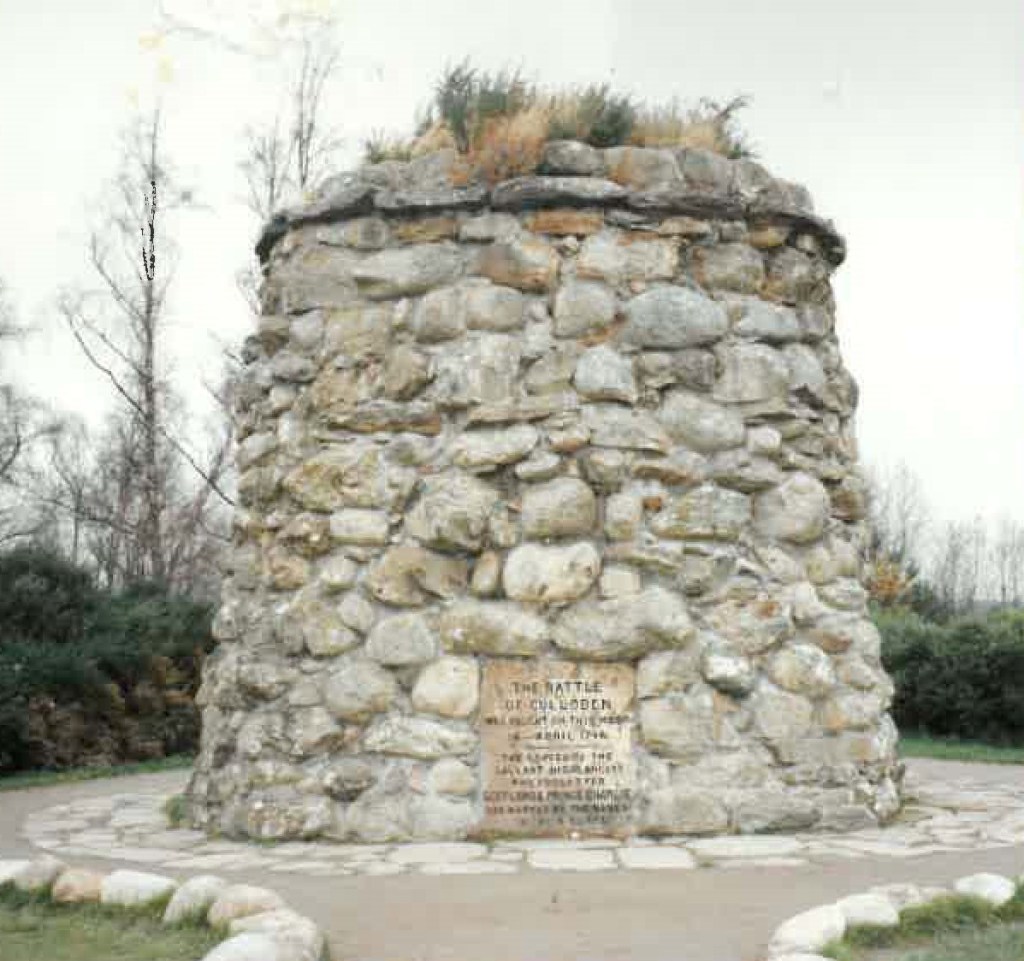
A 20-foot-tall, round, stone cairn commemorates the battle. But mostly, it is a grassy field with plain, moss-covered boulders engraved with the names of the clans of the Scotsmen who fought and died here.
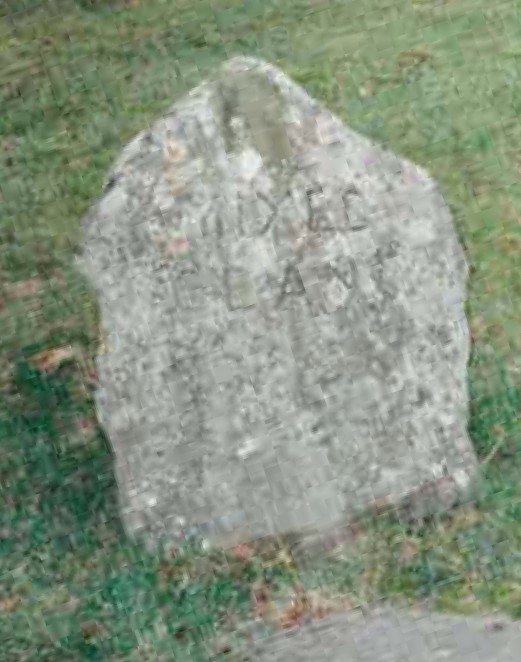
I walk along the wide grassy pathways reading the clan names on the stones: Macintosh, Donald, MacGillverary, Stewart, and one engraved “Mixed Clans”.
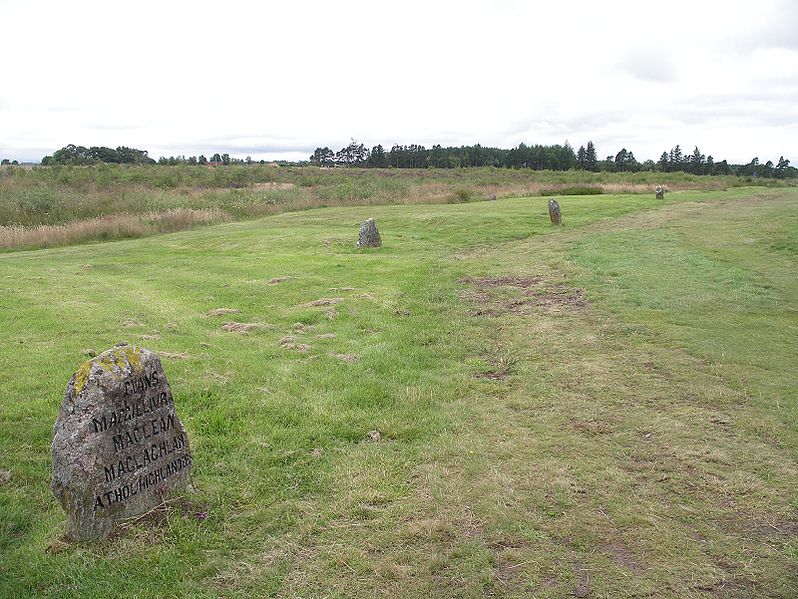
Photo: Wikimedia Commons
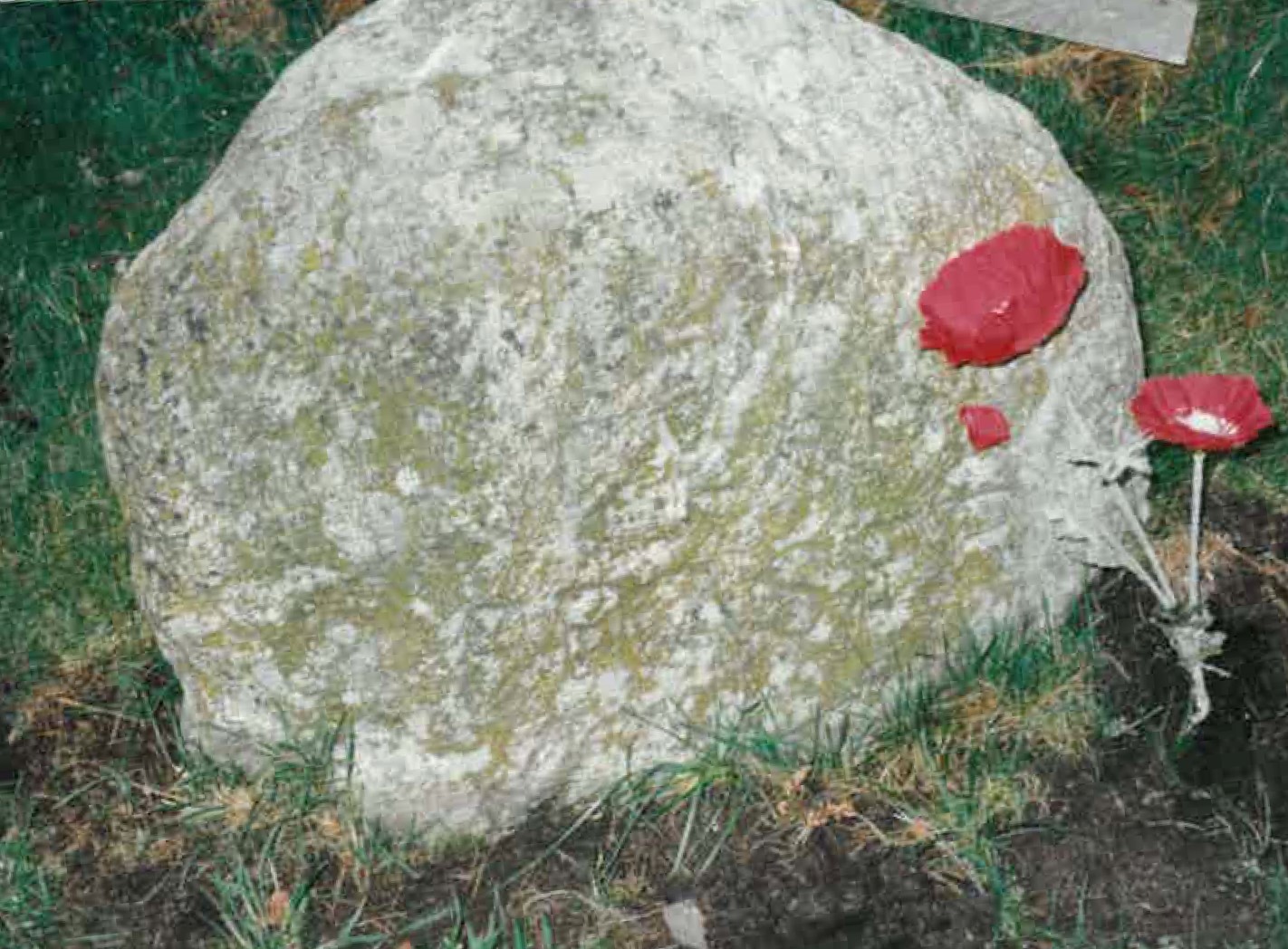
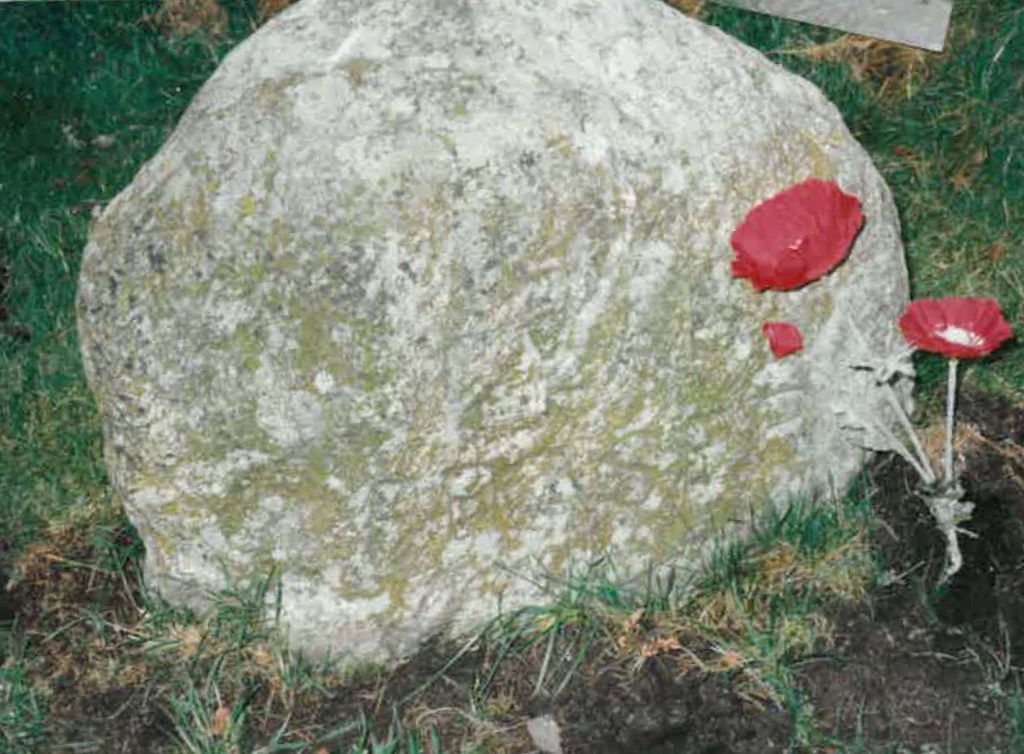
I snap a picture of the grave of the Fraser clan where someone has left two blood-red “remembrance” poppies. These are the Frasers so well known to fans of the wonderful Outlander book series by Diana Gabaldon.
There is small museum with artifacts and a battle table that shows how the armies progressed and clashed.
Culloden was also on my “must-do” list and although there is not a lot here, it is definitely worth doing.
Back in Inverness, it grows dark early. It is just after 5:00 PM and most of the shops have closed. I walk around the town and end up at the local cinema where I watch the new Disney movie, Tarzan. Some would use the excuse that it was only movie playing, but I could not get away with that since everyone knows how much I love Disney movies.
I have dinner at Long Johns, a pub/restaurant with a WWII theme. There is a toy train chugging around the ceiling and lots of WWII memorabilia; boogie music plays in the background. The booths are made from leather seats made over from an old train carriage. A notice on the wall next to my table instructs Brits on the home front what to do in case of German invasion: “Stay put unless there are specific government orders to evacuate. People fleeing on their own are in danger of being shot from the air.” What people lived through during the war; I really can’t imagine.
 Jody’s UK Memories

.jpg)