My guidebook says there is good local bus service to Avebury from Marlborough or Devizes. I ask at the Bristol train station, but there are no trains to either of these towns. “The closest you could get,” the ticket agent says, “is Chippenham.” “Well,” I think, “there must be buses there.”
Only there aren’t. In Chippenham, the bus station is closed. I ask a nearby taxi driver what the fare would be to Avebury. He says £20. I ask if there are taxis there to bring me back. He says no, but if I pay for his waiting time, he will not charge me for the return trip. All told, it will be £30. Avebury is on my “must-see” list, so I jump in and off we go. It’s about 10 miles to Avebury and my driver points out the sights along the way, keeping up a steady chatter. He is better than any tour guide.
We pass the White Horse of Cherhill—a 165-foot-high, horse-shaped figure cut into the Wiltshire hills revealing the white, chalky soil underneath. It stands out starkly against the grassy slope that surrounds it so that it can be seen for miles . There are more than a half-dozen of these chalk figures in the area, dating back to the Bronze Age. No one knows why they were originally cut, but archaeologists re-discovered them in the 17th century and local people have maintained them for centuries. My taxi driver says RAF pilots used them as landmarks during WWII.
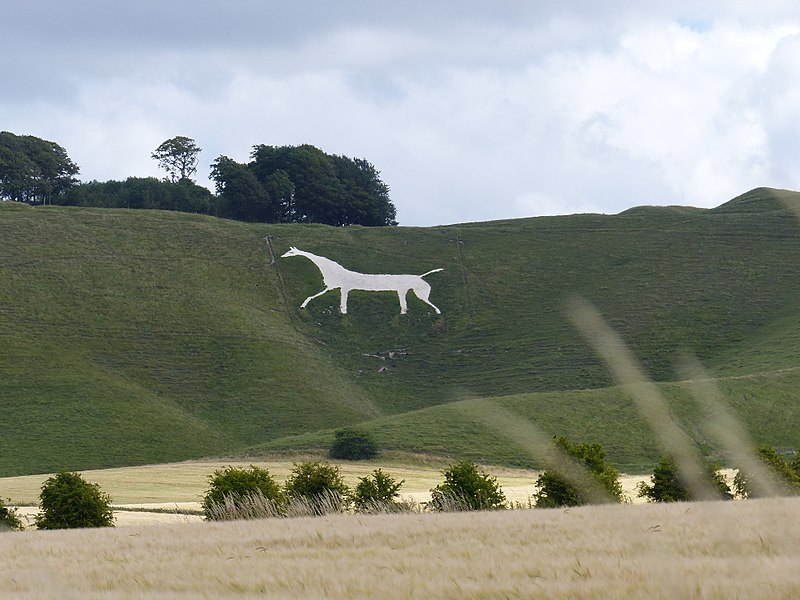
Photo: Wikimedia Commons
Avebury – Better than Stonehenge
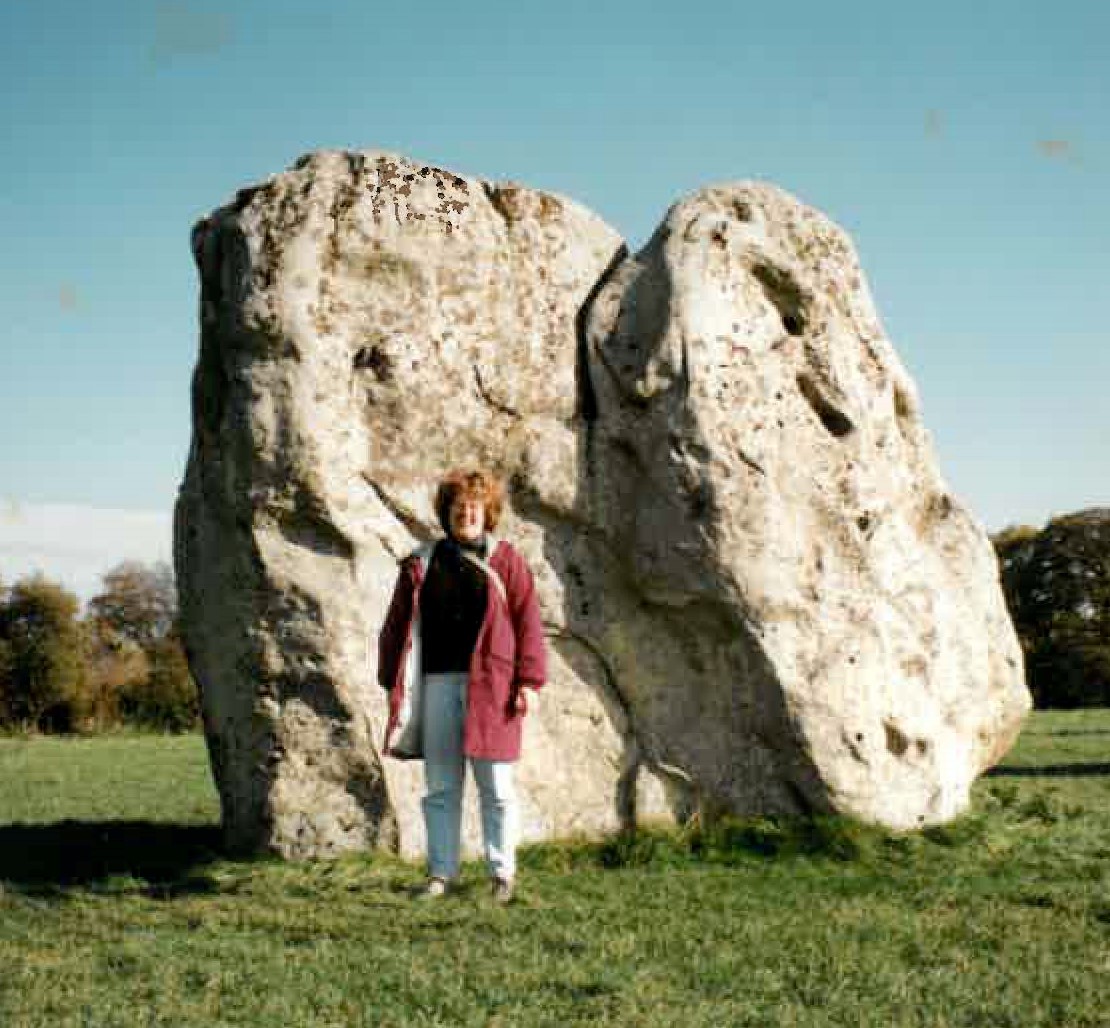
The 4,500-year-old stone circle at Avebury is the largest in the world, with 76 stones standing today, but once boasting as many as 600 stones weighing in excess of 40 tons each. I love the stones. The site actually consists of circles within circles of stones. Sheep graze contentedly and the little village of Avebury is nestled among them.
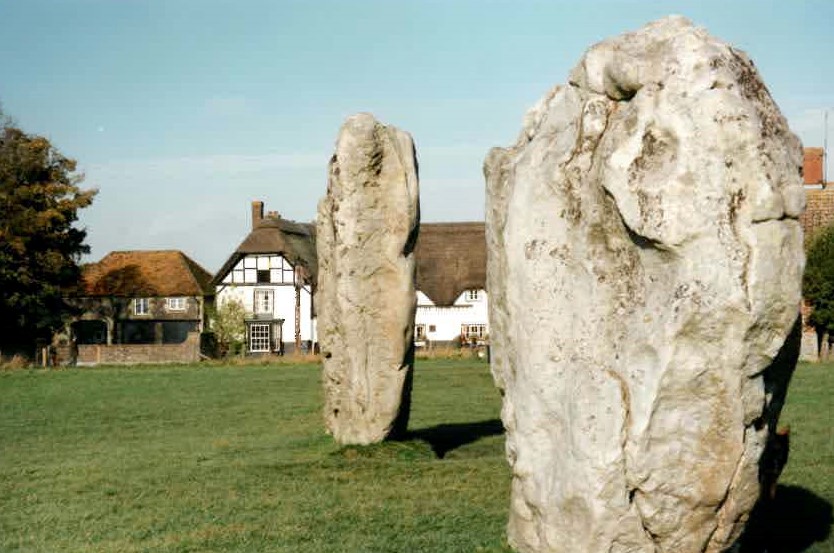
One postcard I buy says, “The village would not be Avebury without the prehistoric monuments and the stones would be unfinished without the houses, shops, and the postman.”
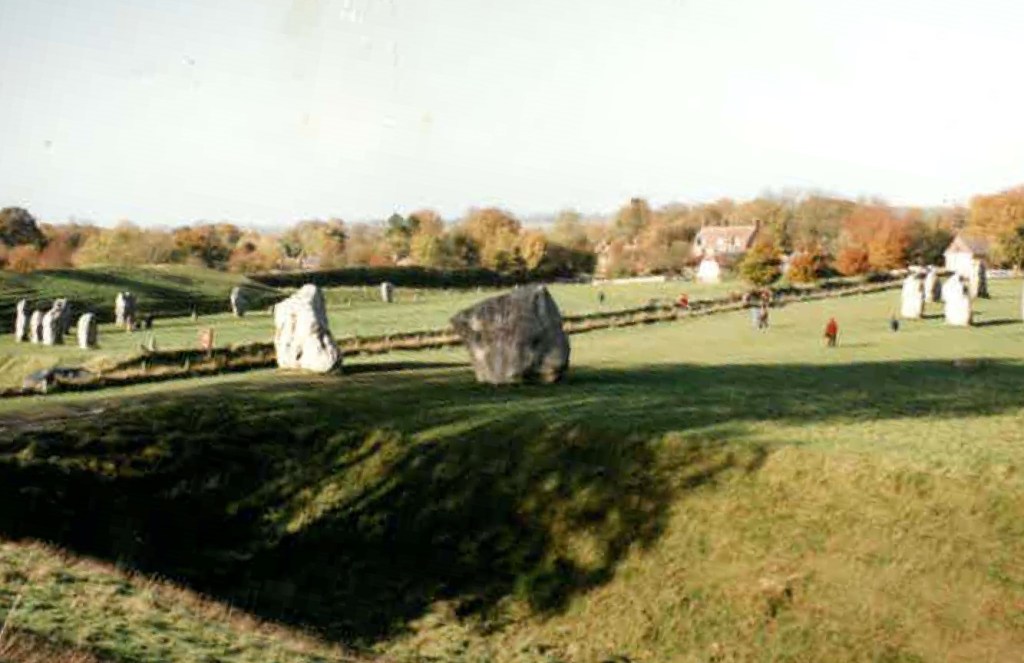
At first the stones seem to be everywhere and I can’t see any particular pattern. Soon though, I can discern the circular pattern of a massive ridge that slopes down into a ditch that encircles the scattered stones. The scattering begins to make sense too once I realize there are gaps where stones are missing.
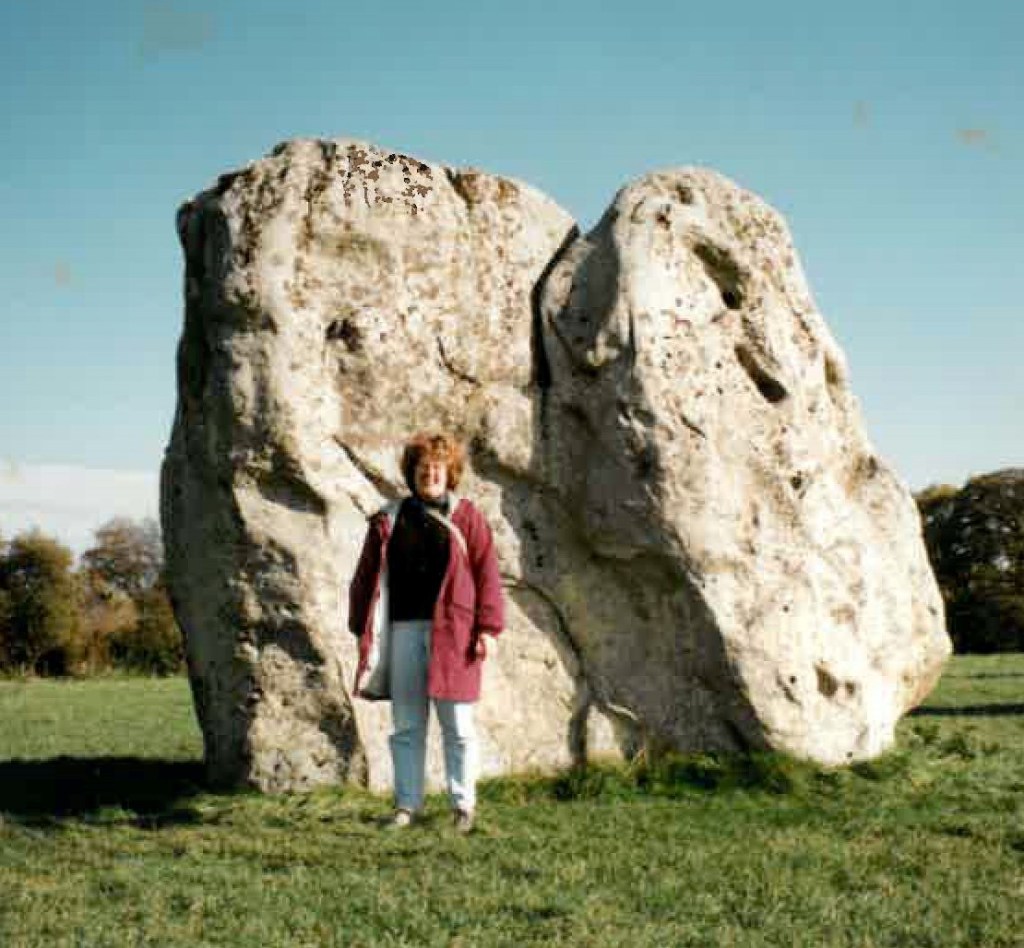
Wiltshire is remarkable for its many Neolithic sites from Stonehenge to Avebury to the chalk figures along with other numerous barrows and henges dotting the county. What is it about this area that prompted ancient man to build so many monuments here?
My taxi driver takes me back to Chippenham, whose population he says has doubled in ten years. Not even in my guidebook, this sleepy little suburb is on a direct rail line from Paddington. It is an old market town and the covered market stall stands as a monument to a distant agricultural past that has given way to mini malls and ATMs.
Roman Bath
From Chippenham, I take the train to Bath.
For several years of her life, Jane Austen, lived in Bath and two of her books are set here. A line from Northanger Abbey makes me smile every time I read it. She says of the streets of Bath, “Everybody may remember the difficulties of crossing Cheap Street –a street of so impertinent a nature.”
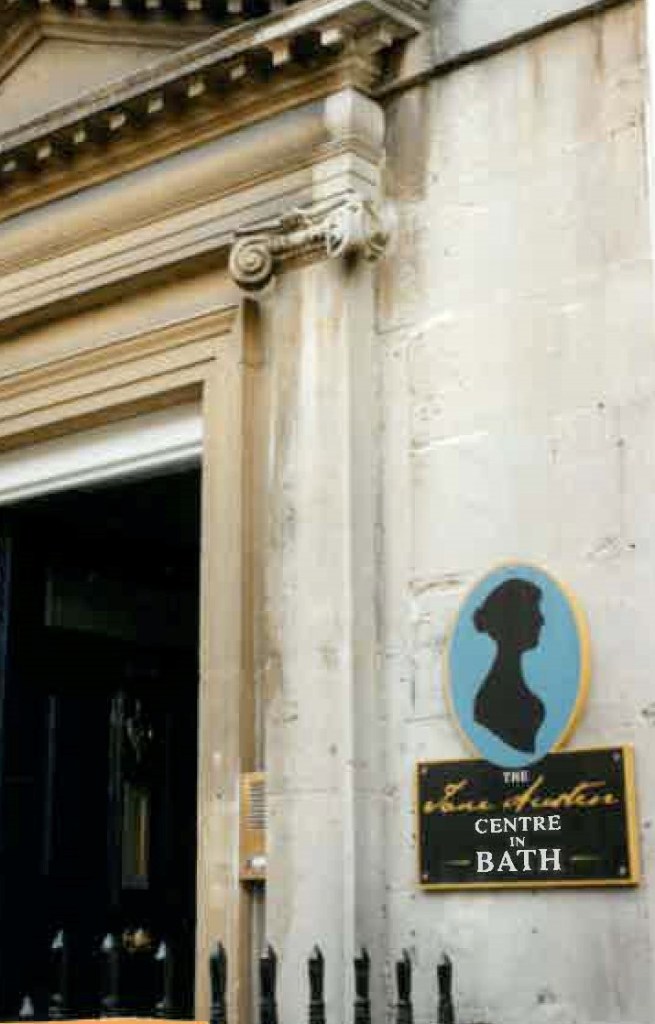
I visit the Jane Austen Center located in the same street, but not the same building, where Jane Austen lived when she was in Bath. It is small, with some exhibits of period clothing and a film about Jane’s life in Bath and, of course, a gift shop.
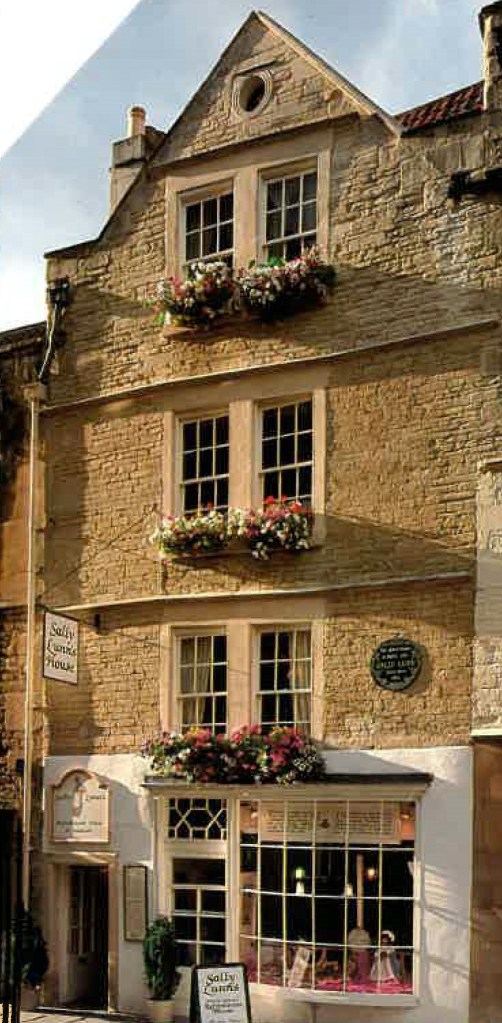
Hungry, I pop into the Sally Lunn tea shop for one of the famous Sally Lunn buns; a large, round, light roll, popularized in Georgian England, which Jane herself would have perhaps eaten in this very shop. Sally Lunn was a young, French refugee who invented the sweet roll named for her. It is not that great actually; plain and dry, but better with Tiptree strawberry jam and copious amounts of tea.
The abbey bells merrily peal out a delicate Handel-like tune for a quarter of an hour as I make my way through the people thronging the wide Bath streets.
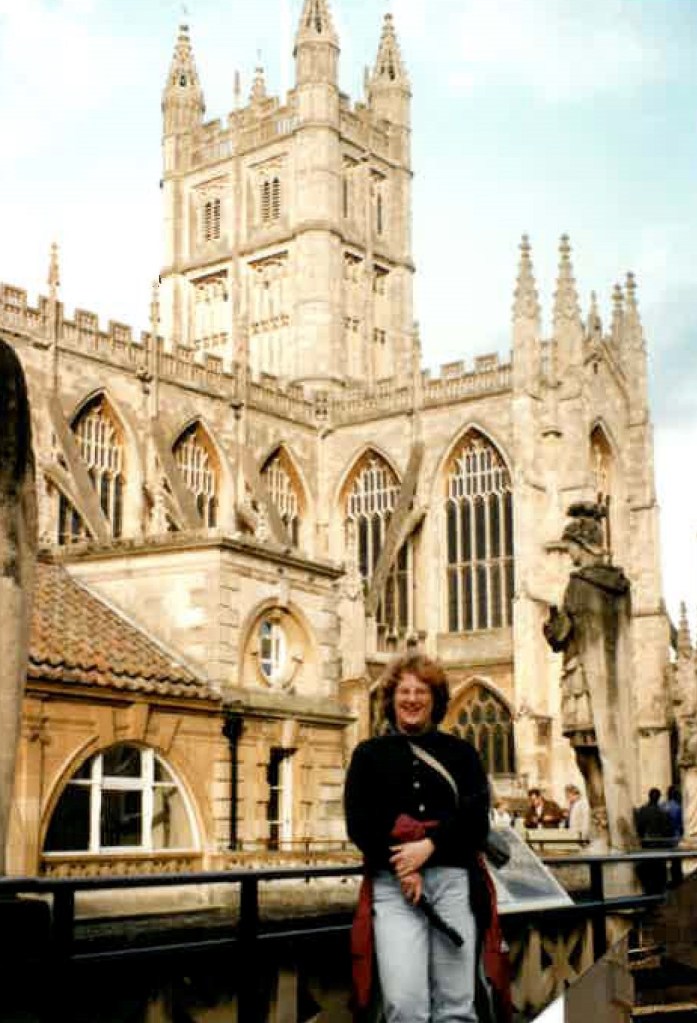
Even though I have visited them before, I could not leave Bath without a trip to the Hot Baths; a marvel of Roman engineering, and one of my favorite sites in England. Constructed around a steamy, natural hot spring, Roman patrons of all social classes would come here to bathe. Over the centuries the baths were lost to time until, in the 19th century, archaeologists re-discovered them and, in the over-the-top way that Victorians had, they imposed an ornate colonnade with Roman emperors and governors carved of the soft, golden, local stone over the original Roman drainage work.
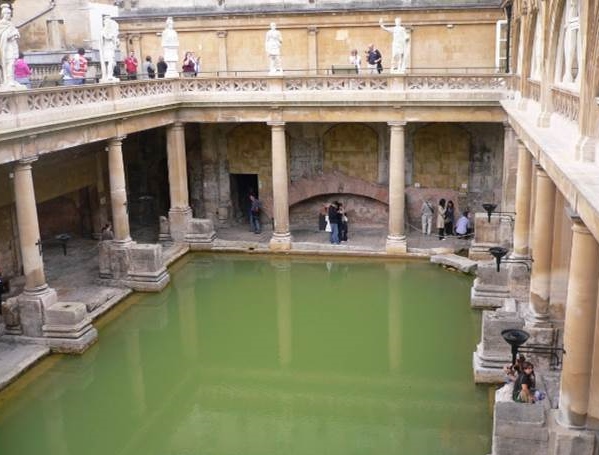
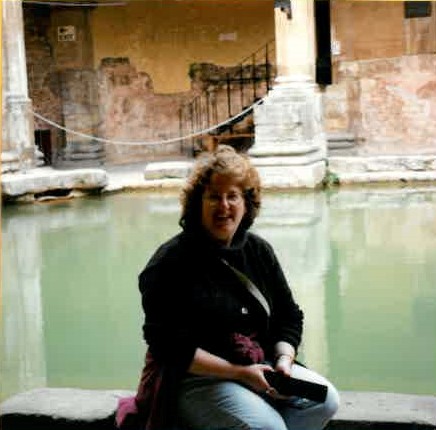
A hot spring fed the Roman pools reaching temperatures of up to 200 degrees Fahrenheit. The Romans piped the water to bathing pools. They then erected a temple over the baths with a central carved figure of a Gorgon’s head that glowered down on the bathers. Today, a replica of the Gorgon greets me at the entrance to the underground chamber that leads tourists to the baths. It is supposed to be a testament to the power of the goddess, Sulis Minerva, who, in legend, helped Perseus slay the creature.
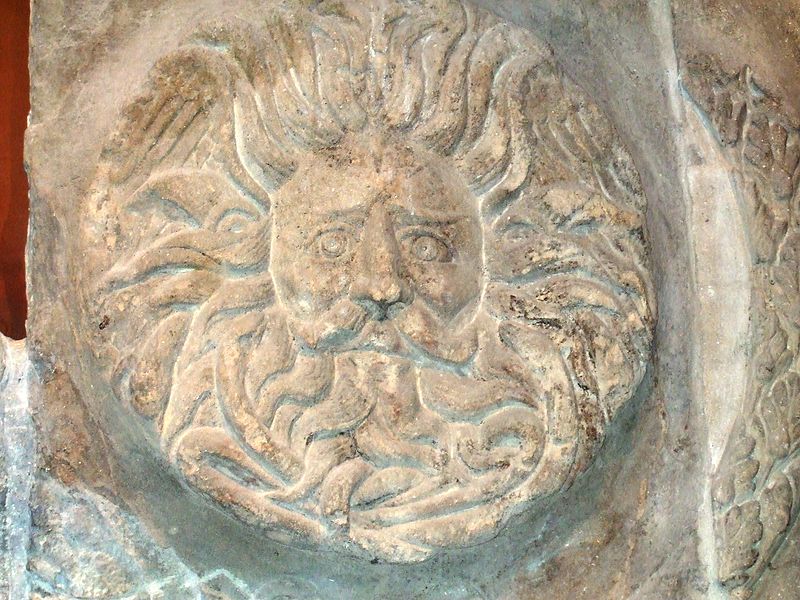
Photo: Wikimedia Commons
In that way that conquerors have of integrating old ways into new to promote acceptance of their subjugation, Sulis Minerva is a two-in-one goddess; Sulis being the Celtic goddess of healing and sacred waters; Minerva the Roman goddess of wisdom.
The surplus hot water, not needed for the baths, flowed through a Roman drain to the River Avon a few hundred meters away. Still functioning 2,000 years later, the basin through which the steamy water drains is a rusty color, rich in iron, and strewn with pennies. I add my bright, shiny penny to the lot.
The Romans also wrote prayers on small sheets of lead that they threw into the spring, hoping Sulis Minerva would answer. I see samples of these prayers in the museum. They are labelled the “curse tablets” because many of the prayers asked Minerva to avenge wrongs done to them. A surprising number wanted redress for having their clothes stolen while bathing, which makes me laugh out loud. Archaeologists have found over 130 curse tablets.
I end my visit by tasting the water in the Pump Room; a Georgian addition, where health seekers came to drink the water in civilized surroundings. In describing the meeting between her heroine, Catherine Morland, and Henry Tilney in Northanger Abbey, Jane Austen wrote of the fashionable Pump Room, “Every creature in Bath […] was to be seen in the room at different periods of the fashionable hours.”
My suitcase that I have been schlepping across Cornwall and Somerset feels interminably heavy as I make my way back to the train station. The train takes me back to Bristol from where there is a direct line to Birmingham. It is crowded and somehow, I end up in the smoking carriage. The 90-minute ride feels interminable.
On the bus ride down Bristol Street headed back to Glenelg, fireworks are popping around us. Today is Halloween. The Brits don’t celebrate Halloween the way we do in the U.S. There are several stories on the TV news this morning reporting on how the Americans celebrate Halloween—bizarrely, the stories said. In England, Guy Fawkes Day, or Bonfire Night, is the big day (November 5), which is celebrated… naturally…with bonfires. The Brits roll Bonfire Night and Halloween into one celebration that lasts for two weeks. I have been hearing firecrackers off and on all week.
Tony and Caroline are off on holiday in Wales this weekend. They’ve hired a young student to take care of things in their absence. But I do not see her and just head up to my room.
 Jody’s UK Memories

